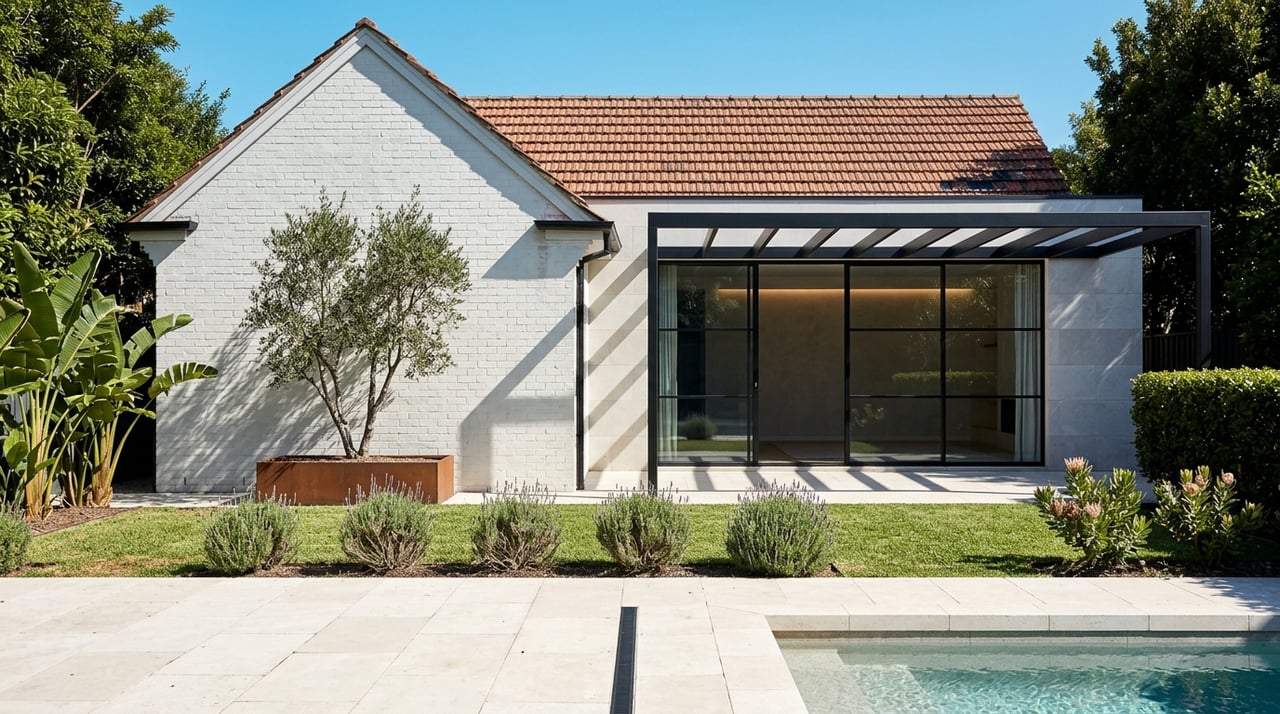
A luxury renovation in Rondebosch can add remarkable comfort and long-term value, but it can also go off course quickly if you start with finishes before approvals. In an established suburb shaped by older homes, mature trees, and a layered heritage context, the smartest first step is not choosing stone or joinery. It is confirming what your property can support, what must be preserved, and what the approval path will require. Let’s dive in.
Why Rondebosch needs careful planning
Rondebosch is an established Cape Town suburb about 8 km southeast of the CBD and 16 km from the airport, with roots that reach back to the mid-1600s. The area’s long settlement history, mature greenery, and older residential fabric make renovation planning more sensitive than a straightforward cosmetic update.
The City of Cape Town also describes the suburb as having a rich heritage. With places like Rondebosch Common, a 40-hectare conservation open space within a built-up area, the setting matters as much as the structure itself. In practical terms, that means your renovation should respond to both the home and the wider streetscape.
Start with the erf, not the finishes
Before you sketch a new kitchen, pool pavilion, or rear extension, confirm the property record. The City advises owners to gather any previously approved building plans, the title deed or deed of transfer, the Surveyor General diagram, and a zoning certificate showing permitted development parameters.
This early step can save time and cost later. If no approved plans can be found, the registered owner may need to have the structure measured and new plans drawn up. Archived hard-copy requests can also take about a week, so it is wise to do this well before design work begins.
Why this matters for luxury projects
High-end renovations often involve layered scope. You may be considering upgraded living spaces, a reworked garden layout, a new pool, roof changes, or refined indoor-outdoor entertaining areas. Even when the design feels modest, the approval implications can be broader than expected.
The City notes that building work such as alterations, extensions, and conversions requires building plan approval before construction may start. It also states that land-use applications, when required, are separate from building-plan applications and must be resolved first.
Check heritage status early
In Rondebosch, heritage due diligence should happen before the concept design is finalized. The City’s heritage guidance makes clear that heritage context can apply to a single building, a streetscape, a small enclave, or an entire neighborhood, including places where formal protection may not yet be obvious at first glance.
That is why suburb-level assumptions are not enough. Cape Town manages multiple heritage categories through its mapping layers, including heritage areas, proposed heritage areas, the Heritage Protection Overlay Zone, and heritage inventory items. The safest approach is always property-specific investigation.
The 60-year rule is a major checkpoint
Under section 34 of the National Heritage Resources Act, no person may alter or demolish any structure, or part of a structure, older than 60 years without a permit from the relevant provincial heritage resources authority. For the Western Cape, Heritage Western Cape considers permit applications for alterations and demolitions of buildings older than 60 years.
For many Rondebosch homes, this is a crucial threshold. If your house falls into that age category, your renovation timeline, consultant team, and submission documents may all need to be shaped around heritage review from the start.
Understand what work may need approval
One of the most common renovation mistakes is assuming that only major additions need formal review. In Cape Town, even smaller upgrades can be regulated works.
The City’s minor-work rules list items such as private swimming pools, carports, free-standing walls, pergolas, roof replacements, and some internal wall changes as regulated. So if your vision includes elevated outdoor living, a new arrival sequence, or a cleaner architectural envelope, it is important to verify each item before work begins.
A simple pre-design checklist
Before committing to the full design direction, make sure you have:
- Previously approved building plans, if available
- Title deed or deed of transfer
- Surveyor General diagram
- Current zoning information and development parameters
- A heritage status check for the property
- Clarity on whether a land-use application is required
This sequence is not glamorous, but it protects the project. It also allows your design team to create a concept that is both ambitious and workable.
Build the right project team early
A luxury renovation in Rondebosch usually benefits from early coordination across several disciplines. Based on the City’s requirements and the documentation often needed for heritage submissions, a well-structured team may need design, technical, heritage, and landscape input from the beginning.
That matters because heritage-related submissions can call for stamped plans, a locality plan, annotated photographs, survey diagrams, and local-authority comments. When those pieces are assembled late, the project often slows down just when you want it to move.
Why integrated delivery helps
For a complex home, continuity between design intent and construction execution is especially valuable. If the project includes restoration, additions, structural changes, and detailed exterior work, early coordination reduces the risk of redesign, inconsistent detailing, or avoidable compliance issues.
For owners who want a single, accountable path from vision to handover, an integrated design-build approach can make the process more orderly. It helps align approvals, technical documentation, construction sequencing, and the final architectural character of the home.
Design moves that suit Rondebosch
The best luxury renovations in Rondebosch usually do not compete with the suburb’s character. Instead, they sharpen what is already valuable and place contemporary upgrades with restraint.
The City’s heritage guidance points to a useful framework. It recommends assessing the dominant architectural style, siting on the erf, street interface, setbacks, boundary walls, verandahs, balconies, garages, carports, roof pitch, window and door proportions, materials, colors, and distinctive detailing.
Preserve street character
For many character homes, the street-facing portion of the property carries much of its visual significance. Retaining that presence while introducing more contemporary living spaces discreetly to the rear, or within the existing envelope, is often the most resilient design strategy.
This approach can help you preserve the qualities that support long-term appeal while still creating a home that feels tailored to modern living. It is also more likely to align with a context where visual setting and spatial relationships matter.
Let the site shape the plan
The same guidance notes that orientation and siting should respond to topography, site conditions, boundaries, surrounding buildings, and microclimate, including sun, prevailing wind, and views. In a leafy suburb like Rondebosch, this can strongly influence how terraces, pools, entertainment areas, and glazing should be arranged.
A well-planned addition should feel integrated, not oversized. Outdoor rooms tend to work best when they sit comfortably within the garden structure and complement the scale of the existing home.
Treat mature trees as an asset
Cape Town’s Urban Forest Policy applies to trees on private land as well as public land and focuses on protecting and managing the city’s tree canopy. In renovation planning, that makes mature trees an important design input.
Rather than treating trees as obstacles, consider them part of the property’s long-term value and atmosphere. Their location can guide the placement of additions, driveways, pools, paving, and outdoor living spaces in a way that feels more settled and more refined.
Phase the project with approvals in mind
Luxury renovations often feel easier when broken into elegant, lifestyle-led ideas. In reality, the most successful projects are phased around approvals, inspections, structural logic, and the practical experience of living through construction.
The City states that building plan approval is valid for one year, that work should begin only once plans are approved and the commencement inspection is passed, and that deviations from approved plans should be amended. It also notes that mismatches between approved plans and the built structure can create problems when the home is later sold.
A practical sequence for occupied homes
For an occupied renovation, a clear sequence can reduce disruption and protect quality. A practical planning order is often:
- Structural shell and core compliance-sensitive work
- Services and infrastructure coordination
- Wet areas such as kitchens, bathrooms, and utility spaces
- Interior finishes and final detailing
- Landscaping and external living areas
This is a planning recommendation rather than a legal rule, but it aligns well with the City’s approval and inspection process. It also helps avoid situations where refined finishes are installed before heavier work is fully resolved.
Plan for review time
The City says a clean building-plan application may take up to 30 days for buildings under 500 m² and up to 60 days for larger buildings, before additional time for any land-use clearances. For heritage-sensitive properties, you should also allow time for the heritage permit pathway and supporting documentation.
That means your ideal completion date should be backed up by a realistic pre-construction schedule. In Rondebosch, the front-end planning stage is often where the real value of the project is protected.
The smartest luxury choice is usually restraint
In a suburb with visible history and established landscape character, overbuilding is rarely the only risk. A more common problem is advancing too quickly before confirming heritage status, plan records, and approval requirements.
The strongest renovation strategy is usually straightforward: verify the erf first, preserve the architectural character that gives the home its value, and then introduce modern upgrades through a compliant, carefully phased plan. That approach protects both the experience of living in the home and the integrity of the asset over time.
If you are planning a high-end renovation in Rondebosch, the goal is not simply to make the house newer. It is to make it more coherent, more livable, and more enduring, without losing the qualities that made it worth investing in to begin with.
If you want a discreet, design-led partner to help align property strategy, restoration thinking, and build execution, Komare Luxe Realty offers private consultation and end-to-end guidance for legacy-minded residential projects.
FAQs
What should you verify before planning a renovation in Rondebosch?
- You should verify the property record first, including approved building plans, title documents, the Surveyor General diagram, zoning information, and whether the property has any heritage-related constraints.
Do older Rondebosch homes need heritage approval for alterations?
- Yes. Under section 34 of the National Heritage Resources Act, structures older than 60 years may not be altered or demolished without a permit from the relevant provincial heritage resources authority.
Can smaller luxury upgrades in Cape Town still need approval?
- Yes. The City lists several regulated works that can include private swimming pools, carports, free-standing walls, pergolas, roof replacements, and some internal wall changes.
How long can Cape Town building plan approval take?
- The City says a clean building-plan application may take up to 30 days for buildings under 500 m² and up to 60 days for larger buildings, excluding any added time needed for land-use clearances.
Why do mature trees matter in a Rondebosch renovation plan?
- Cape Town’s Urban Forest Policy applies to trees on private land, so mature trees should be treated as a design asset that helps shape additions, driveways, paving, pools, and outdoor living areas.