What if your ideal luxury lifestyle had less to do with gates and long driveways, and more to do with stepping out your front door for coffee, a shaded walk, dinner, and live music, all without reaching for your keys? If you are drawn to intown Atlanta living but want character, polish, and a strong sense of place, Virginia-Highland deserves a closer look. This guide walks you through a refined, mostly on-foot weekend in the neighborhood’s luxury core and shows why the area continues to appeal to design-conscious buyers. Let’s dive in.
Why Virginia-Highland Feels Distinct
Virginia-Highland offers a neighborhood-scaled version of luxury that feels different from a high-rise urban district. Atlanta’s Main Street planning framework describes the area as a 1.4-mile stretch of North Highland Avenue lined with trees, restaurants, legacy bars, shops, and fitness and wellness services. That mix creates a lively rhythm while still feeling grounded and local.
The district’s recurring events also add to that village-like character. The neighborhood association supports local businesses and organizes events such as Porchfest and Winterfest, which help reinforce the area’s social, walkable feel. For many buyers, that kind of built-in local ritual is part of the appeal.
Luxury Here Starts With Character
Virginia-Highland is not best described as a traditional estate enclave. Its luxury story is more nuanced and, for many buyers, more interesting. The neighborhood’s most compelling value comes from historic character, mature trees, porch culture, and the ability to move through daily life on foot.
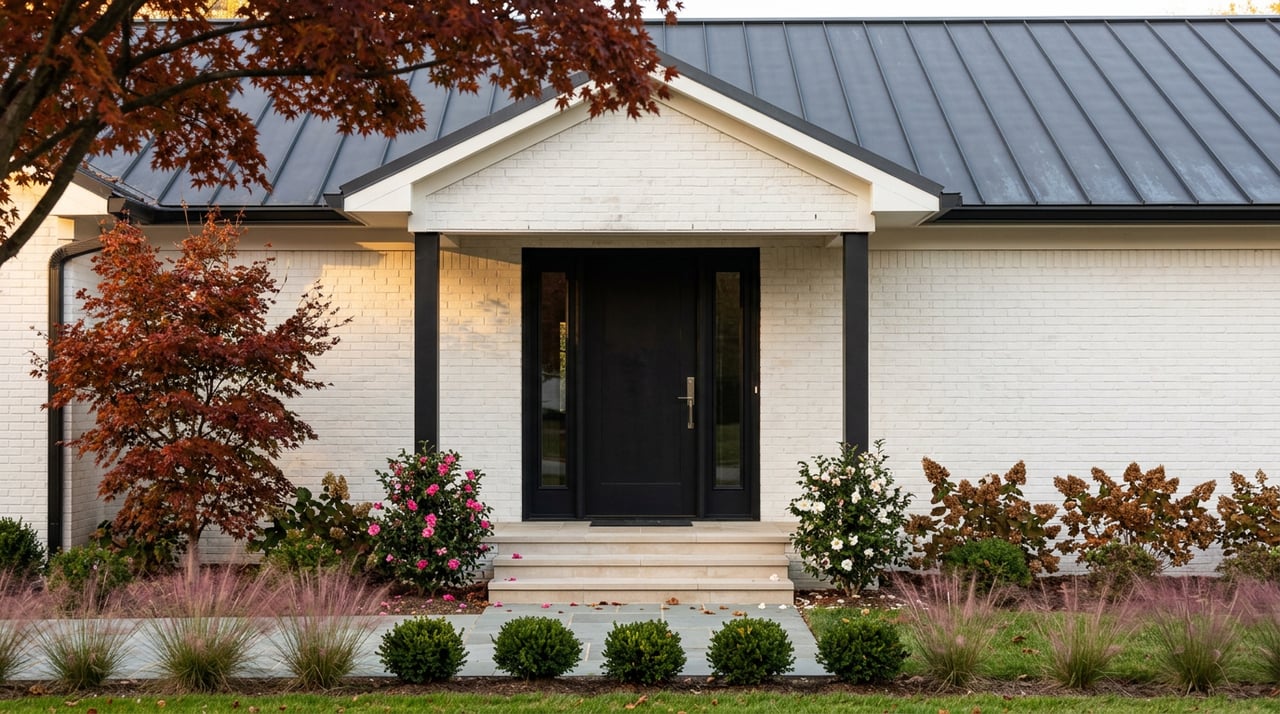
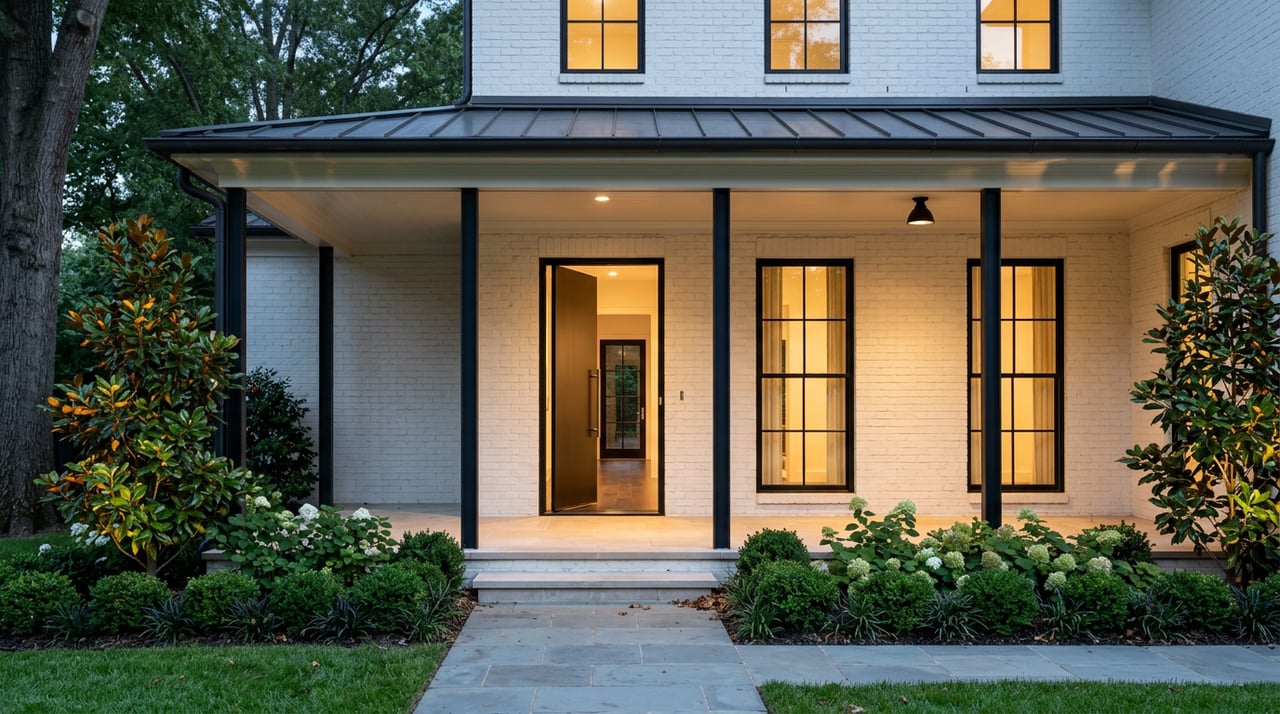
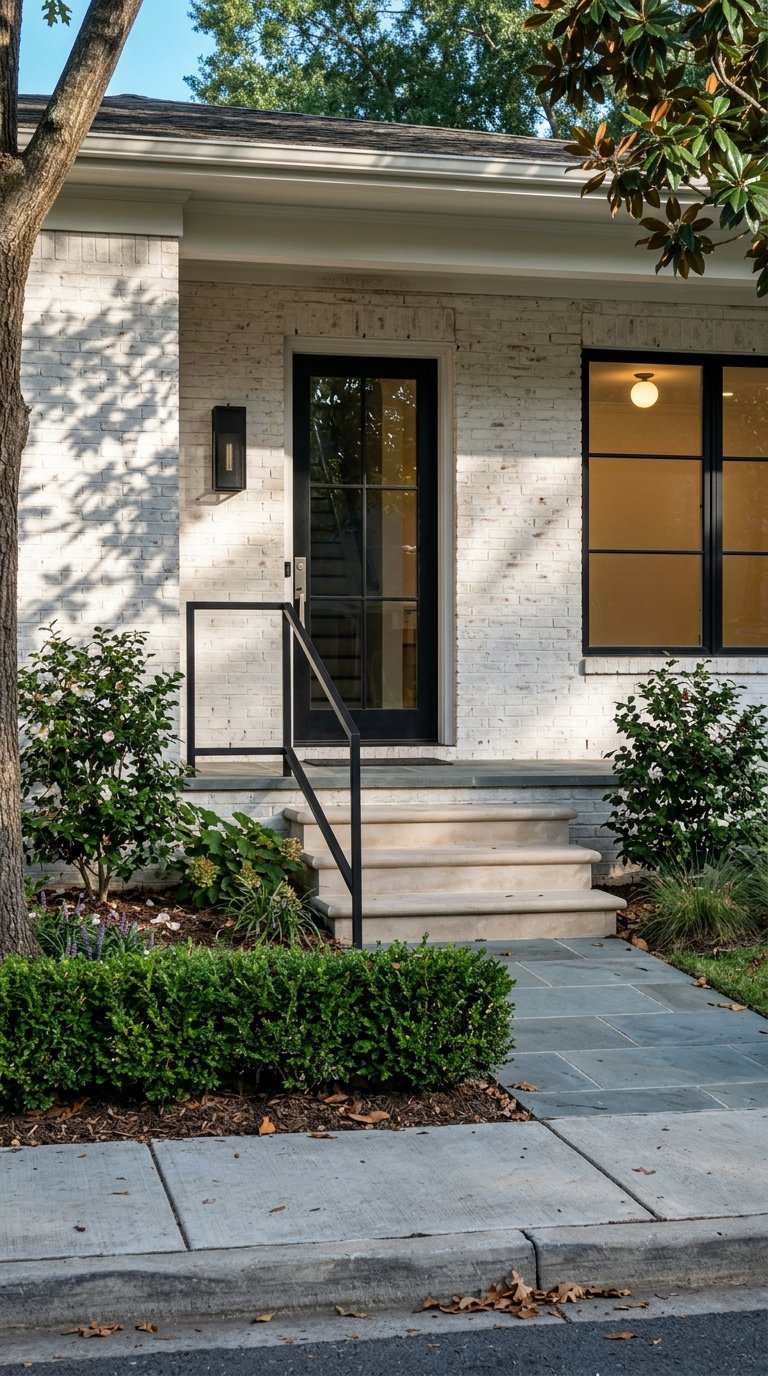
Planning and preservation sources show that much of the neighborhood took shape in the 1910s and 1920s as a streetcar-connected suburb. Craftsman bungalows became the signature home style, and the area also includes historic districts, duplexes, apartment buildings, and garden-style complexes. In practical terms, that means the luxury experience here often looks like a beautifully restored historic home, a carefully updated cottage, or a design-forward residence near the commercial core.
Start Your Morning On Foot
A car-free weekend in Virginia-Highland begins with an easy ritual: coffee and a slow first hour. The neighborhood offers several café options clustered around its walkable corridors, giving you flexibility without forcing a packed itinerary. That is part of what makes the area feel livable rather than programmed.
Coffee Stops To Set The Tone
Ash Coffee on Virginia Avenue pairs coffee and pastries with art and antiques, which makes it a natural first stop if you like your mornings with a little atmosphere. Press & Grind and PERC Coffee add more options along North Highland, while San Francisco Coffee and Alon’s Bakery round out the neighborhood’s coffee-and-pastry lineup. Whether you prefer a quick espresso or a longer start, the choices support a leisurely, local cadence.
Browse Between Stops
One of the best parts of Virginia-Highland is how easily small pleasures stack together. You can move from coffee to book browsing, then drift toward a few retail stops without feeling like you are covering a huge distance. That compact flow is a major part of the neighborhood’s charm.
Virginia Highland Books is a standout for a slower morning, with window seats and a downstairs collection of coffee-table books and games. Nearby, Urban Cottage, Mickey Lynn, Dakota J’s, and Moosh Shoppe offer a mix of design, jewelry, clothing, and accessories that fits the district’s thoughtful, independent retail character.
Pause In The Green Space
Walkability matters even more when it includes room to breathe. Virginia-Highland benefits from access to both intimate green spots and larger park space nearby, which helps balance the neighborhood’s active commercial core. For many buyers, that blend of energy and calm is exactly what makes intown living work.
Freedom Park And Easy Movement
Freedom Park is one of the area’s strongest outdoor anchors. The City of Atlanta lists it as a 188.59-acre regional park, and the mayor’s office describes it as a 200-plus-acre park with eight miles of gently curving paths for walking, jogging, and bicycling. If your idea of a good weekend includes movement without getting in the car, this kind of nearby access is a meaningful asset.
Smaller Parks With Local Meaning
John Howell Memorial Park offers a smaller-scale pause on Virginia Avenue NE, but it also reflects a deeper neighborhood story. According to the Atlanta History Center, the park was created from land once slated for the I-485 right-of-way after local activism stopped the project. The Virginia Highland Triangle greenspot, listed by the city, also works well as a quick break between shops, meals, or evening plans.
Plan An Elegant Afternoon
By midday, Virginia-Highland shifts naturally from coffee-and-errands energy into a more polished social pace. You do not need a rigid plan here. The neighborhood supports the kind of afternoon where browsing, conversation, and a long lunch or early cocktail can happen within a small, walkable radius.
That is where the area’s luxury identity becomes especially clear. It is not about spectacle. It is about convenience, design awareness, and the quiet confidence of a place that lets your day unfold well.
Dine Without Leaving The Neighborhood
A strong dining lineup is essential to any true live-on-foot neighborhood, and Virginia-Highland delivers range without losing its intimate scale. You can keep things casual, make the evening feel date-night ready, or settle into a restaurant that can carry you from a late brunch into dinner.
Restaurants Worth Building Around
Murphy’s is one of the clearest all-day anchors in the neighborhood, described as a restaurant, bakery, and wine shop with a patio. La Tavola centers on homemade pastas and wine, while Bar.bacoa leans into tapas and cocktails for a more upscale evening feel. Whiskey Bird brings together Asian-Southern fusion with a dining room, bar, and back patio, and Ela offers brunch, dinner, and cocktails with a Mediterranean focus.
Nightlife With Texture
Virginia-Highland’s evening scene stays lively without feeling oversized. Atkins Park stands out as Atlanta’s oldest continuously licensed tavern, giving the neighborhood a sense of continuity that newer districts cannot easily replicate. Highland Tap is known for its steak-cellar atmosphere and long-running martini reputation, while Neighbor’s Pub adds a large patio and games, and Blind Willie’s brings established live blues multiple nights a week.
Is It Truly Car-Free?
The honest answer is that Virginia-Highland works best as a mostly on-foot weekend, not a perfectly self-contained one. The core corridor is compact and highly walkable, but some stops sit along district edges or in nearby sub-areas. For a lifestyle-driven buyer, that distinction matters less than the overall experience of being able to do a great deal within a short radius.
This is also where buyer expectations should stay grounded in what the neighborhood actually offers. Virginia-Highland is not trying to be downtown, and that is exactly the point. Its appeal comes from neighborhood scale, historic texture, and a balanced mix of coffee, retail, dining, nightlife, and green space.
What This Means For Homebuyers
If you are considering a purchase in Virginia-Highland, the strongest buyer story is lifestyle-led. This neighborhood tends to fit people who value intown convenience, preserved character, and daily rituals that feel easy and repeatable. The luxury cue is not excess. It is quality of restoration, thoughtful updating, and the ability to live well within a historic setting.
For design-conscious buyers, that can be especially compelling. A renovated Craftsman bungalow or carefully restored historic home can offer something that newer inventory often cannot: proportion, material warmth, and a stronger sense of place. In a neighborhood like this, craftsmanship and location work together.
Why Virginia-Highland Aligns With Legacy-Minded Buyers
Some buyers are not simply looking for a home. They are looking for a property with story, integrity, and room for thoughtful stewardship over time. Virginia-Highland’s preservation resources, early-20th-century fabric, and established streetscape make it especially appealing if you appreciate homes that reward careful restoration and design-sensitive updating.
That perspective matters in a neighborhood where the built environment is part of the value. A well-positioned purchase here is often as much about what has been preserved as what has been added. For buyers who care about long-term livability and design continuity, that is a meaningful distinction.
If you are exploring Virginia-Highland as a lifestyle move, a restoration opportunity, or a refined intown base, Komare Luxe Realty can help you evaluate the neighborhood through both a brokerage and design-build lens. Request a private consultation or virtual tour to start the conversation.
FAQs
Is Virginia-Highland walkable for a weekend in Atlanta?
- Yes. The core corridor is compact enough to support a mostly on-foot weekend, with coffee shops, retail, dining, nightlife, and green space in a relatively small area.
What kind of luxury homes fit Virginia-Highland best?
- The most fitting luxury image is typically a renovated Craftsman bungalow, updated historic home, or carefully restored cottage, rather than a purely estate-style setting.
Does Virginia-Highland have parks nearby?
- Yes. Freedom Park is a major nearby green space with extensive paths, and smaller neighborhood stops include John Howell Memorial Park and the Virginia Highland Triangle greenspot.
What makes Virginia-Highland feel lively without feeling urban?
- Its business mix includes coffee, shopping, restaurants, nightlife, fitness, and wellness, while the neighborhood-scale corridor keeps the experience grounded rather than high-rise in feel.
Is Virginia-Highland only single-family homes?
- No. City planning sources show a mix that includes historic single-family homes, duplexes, apartment buildings, and garden-style multifamily properties.
Who is Virginia-Highland a good fit for?
- It tends to suit lifestyle-focused buyers who want intown convenience, historic character, walkability, and a strong sense of local routine.