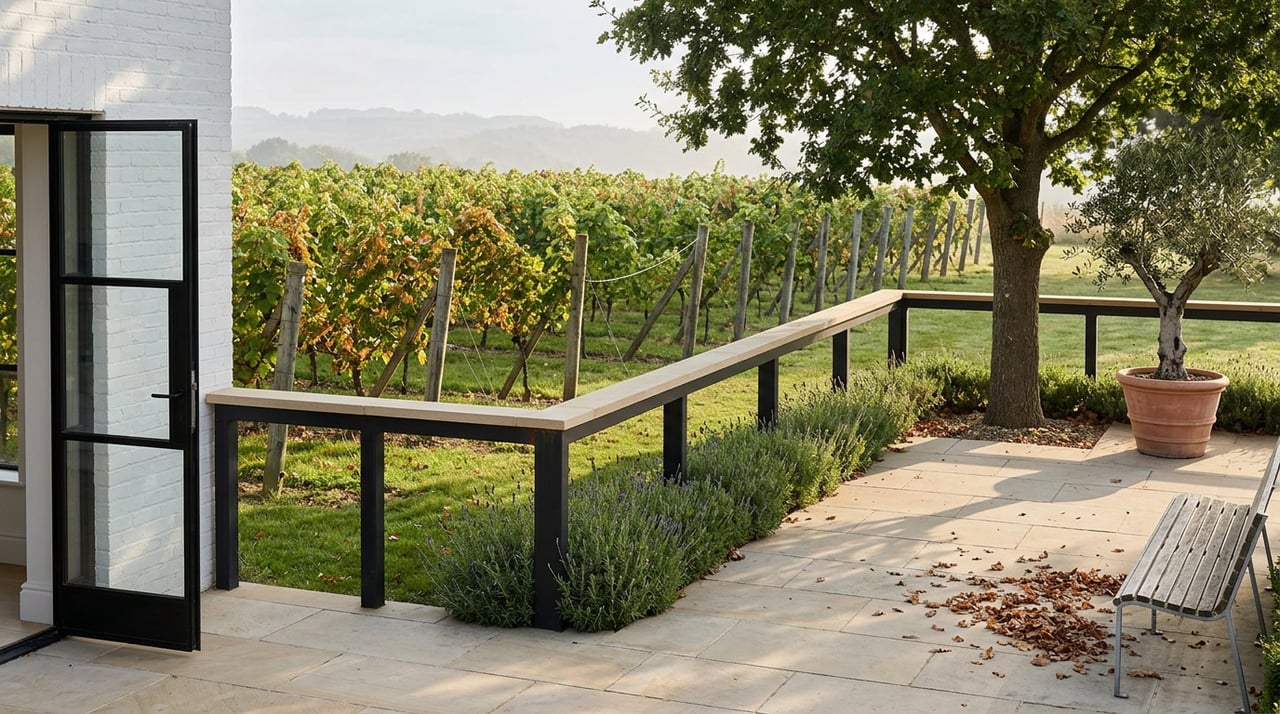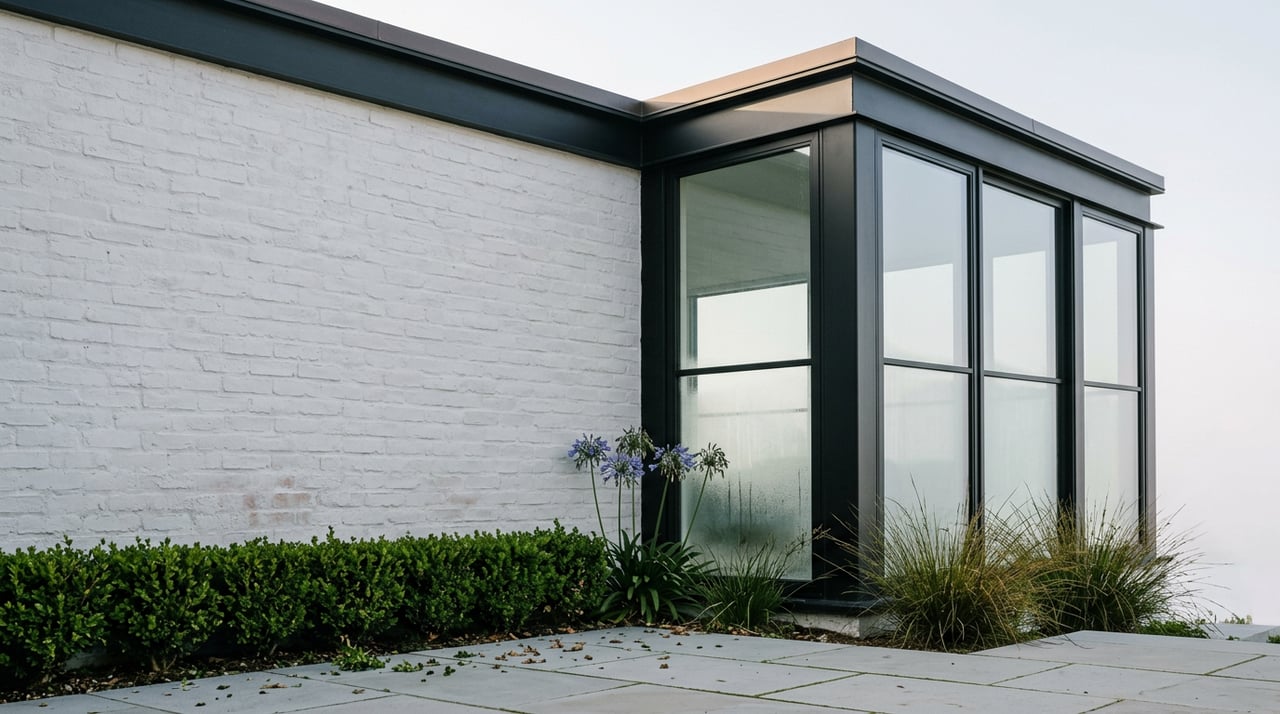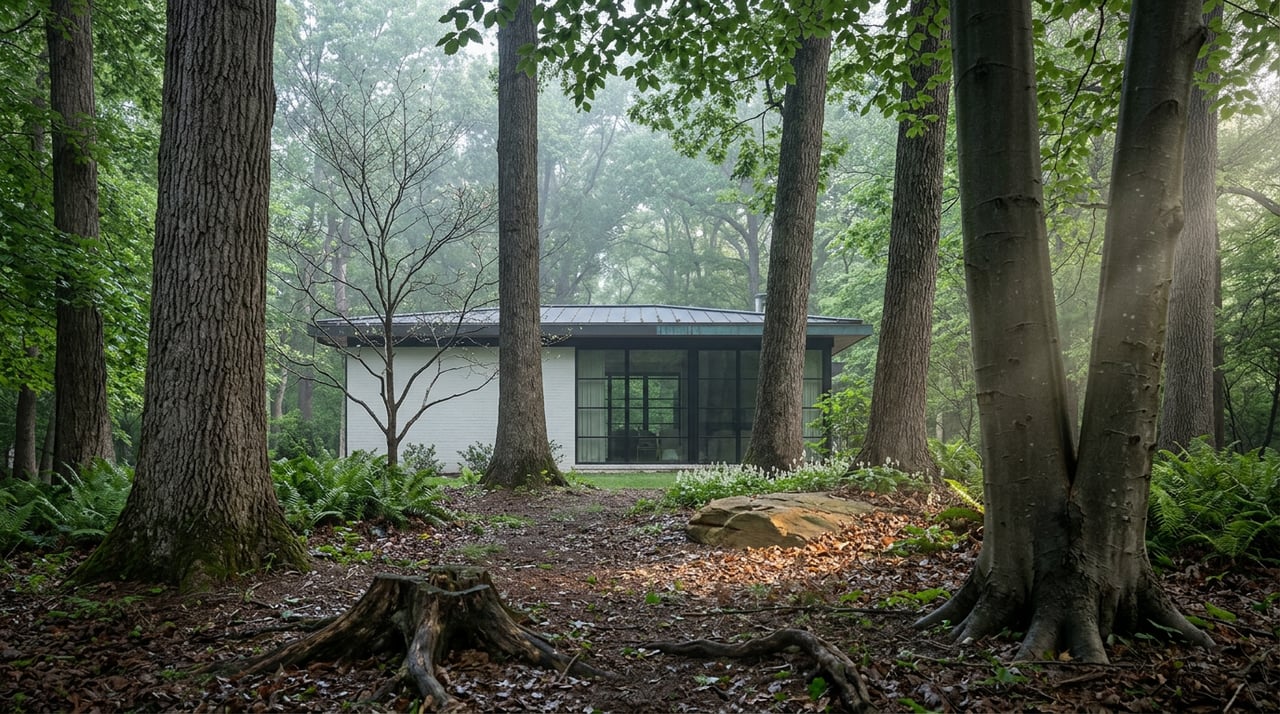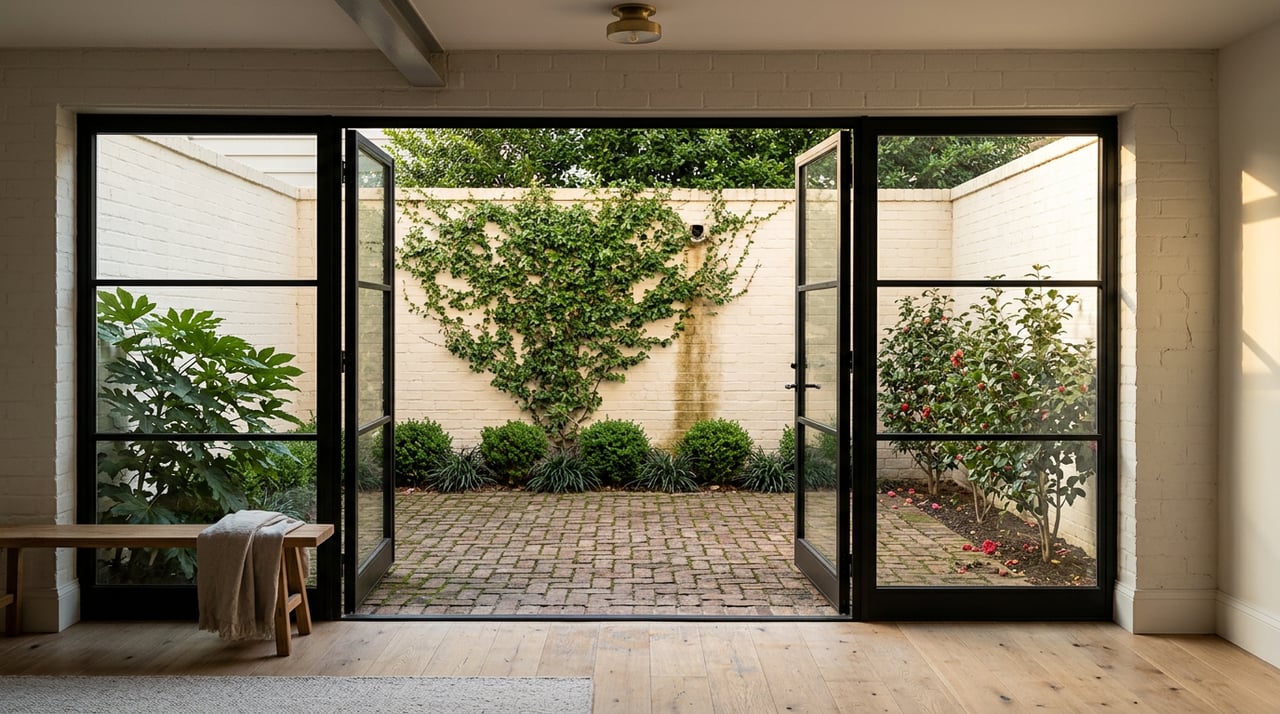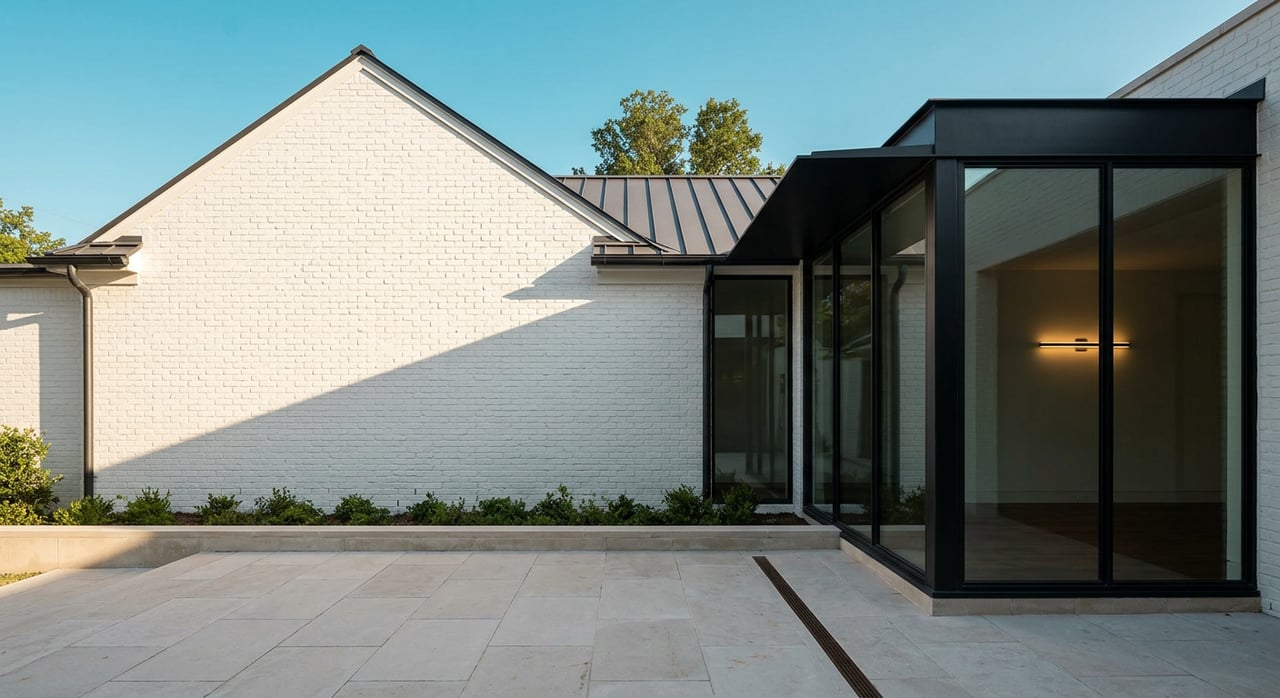
Should you build a ground-up estate or transform what you already own in Brookhaven? The answer often starts with your lot, not your wish list. Between zoning, trees, and timelines, the site can shape your options before dollars do. If you want a legacy home with minimal friction, this guide gives you a clear, Brookhaven-specific framework to compare new build versus renovation and decide with confidence. Let’s dive in.
Brookhaven at a glance
Brookhaven is an incorporated city in northeast metro Atlanta, located in DeKalb County. The city actively updates its planning framework and zoning resources, which helps you align design goals with local rules early. You can review current requirements through the city’s Planning and Zoning page.
On pricing, Brookhaven’s overall home value index sits at roughly mid-to-upper tier for metro Atlanta. As of January 31, 2026, Zillow’s index for Brookhaven is about $720,000, with Historic Brookhaven materially higher based on recent readings of neighborhood-level indices. You can see the latest figures on the Zillow Brookhaven home value index.
Neighborhoods such as Historic Brookhaven, Brookhaven Heights, Ashford Park, Lenox Park, and Brookhaven Fields are popular for their location, amenities, and proximity to services. These areas see steady infill and custom-home activity, which influences both land values and expectations for design quality.
Start with zoning and the lot
Before you fall in love with a concept plan, check whether it fits. Brookhaven’s residential zoning districts set minimum lot sizes, setbacks, and lot coverage that control buildable envelope and massing. Representative categories include:
- RS-100 single-dwelling detached, typically 15,000 square feet minimum lot area
- RS-85 single-dwelling detached, typically 12,000 square feet minimum lot area
- RS-75 single-dwelling detached, typically 10,000 square feet minimum lot area
Exact standards live in the city’s code tables and mapping; confirm on the parcel you are considering. Brookhaven also includes infill provisions that may use average front-yard setbacks to align with the street, which can shift your footprint by several feet. The city updated accessory dwelling unit provisions in late 2023, creating an option to add living area without a full teardown on lots where it fits. You can review the ordinance framework on Brookhaven’s zoning code reference.
Pro tip: verify your parcel’s zoning and overlays, and ask Planning for a written zoning verification if anything is unclear. Start with the Planning and Zoning page.
Trees, streams, and land disturbance
Brookhaven’s tree protection rules are a major planning factor. The city enforces a density standard often expressed as 120 cumulative DBH inches per acre, with replacement, mitigation fees, or contributions to the Tree Fund when preservation is not possible. Tree-removal permits, posted notices, and inspection milestones are typical. Skipping or misreading these steps can cause stop-work orders and fines that upend your schedule. Review the city’s tree and land-disturbance guidance in the tree ordinance materials.
If your plan disturbs soils or encroaches on stream buffers, you will trigger additional review for erosion, sedimentation control, and stormwater. That can add design coordination and lead time, which is another reason to assess trees and site hydrology before you draw a floor plan.
Historic status and private covenants
Historic Brookhaven is listed on the National Register of Historic Places. National Register listing itself does not prevent a private owner from altering or demolishing a property unless federal funds or permits are involved. Local historic overlays and private covenants, if present, are what may require design review or restrict materials. The National Park Service explains how listing works in its National Register FAQs.
Many Brookhaven blocks also have homeowner association covenants and architectural review committees. These private rules can shape timelines for approvals, exterior materials, fences, pools, and even demolition scope. Build in time to read the recorded documents and contact the HOA early if your parcel has one.
Costs and timelines that matter
Price per square foot is not the whole story, but it is a helpful yardstick when you begin. In metro Atlanta, a high-end custom home with luxury finishes commonly lands around 350 to 500-plus dollars per square foot, with complex millwork, imported materials, or pools increasing cost. Use this as a planning range while you gather project-specific bids and scopes. For context, see regional guidance on custom home costs in Atlanta.
Large renovations or major additions can be competitive. Many local builders report that a comprehensive renovation or significant addition is often 10 to 20 percent less than a full new build on the same lot, though code upgrades and hidden conditions can erode savings. Read more about the variables in this renovation cost overview.
Timing is as important as dollars. For a new custom home, a typical build window is about 12 to 18 months from permit clearance to occupancy, plus 2 to 6 months for design, engineering, surveys, utilities, and approvals before permits issue. This varies with builder capacity, weather, and lead times. A helpful primer on sequencing is here: how long it takes to build a custom home.
For major renovations or additions, timelines can run 4 to 12 months depending on scope. Larger structural changes and system replacements add time, and older homes carry a higher risk of surprises once walls are open. That is why strong contingencies matter.
Do not forget permitting. Brookhaven’s published permitting FAQ notes that you should contact the city if you have no response after 10 business days for an initial plan review. Permits are valid for 180 days from the last inspection, next-day inspections are available, and re-inspection fees can apply. See the city’s permit FAQ.
Soft costs to include from day one:
- Architectural and engineering fees, surveys, and geotechnical work
- Arborist assessments and a boundary tree inventory
- Permits and impact fees according to the city schedule
- A contingency of 10 to 15 percent or more for luxury scope, given custom finishes and lead times
Renovate vs. rebuild: a decision framework
You will make a better decision if you assess constraints and goals in a set order. Use this simple filter.
- Site and zoning fit
- If your desired square footage, height, and setbacks fit comfortably within your zoning envelope and lot coverage, new build stays on the table. If they do not, consider whether a variance is realistic. If not, renovation or a smaller addition may be the smarter path.
- Trees and environmental triggers
- If preserving specimen trees is a priority or tree mitigation would be significant, a renovation that keeps your footprint compact can preserve canopy and reduce fees. If planned demolition and regrading are already extensive, a new build might align better with the required site work.
- Structural reality
- Chronic foundation issues, low ceiling heights, and floor plans that cannot be cost-effectively modernized point toward rebuilding. Solid framing, healthy systems, and an exterior you love can favor renovation.
- Budget and timing tolerance
- If you want the design freedom of a modern plan and can carry a 12 to 18 month build with full site permitting, new construction delivers clean systems and long-term efficiency. If you prefer a shorter disruption, targeted renovations or a strategic addition can deliver a luxury result faster.
- Neighborhood and private rules
- If an HOA or covenants discourage teardowns or limit massing, renovation may reduce friction. If the area supports infill consistency and your concept respects scale and context, a rebuild can maximize value.
Why design-build can de-risk your project
Design-build is a single contract that covers both design and construction. For Brookhaven’s tree rules, stream buffers, and infill massing, this delivery method can reduce handoffs and surprises. The Design-Build Institute of America outlines benefits such as earlier cost clarity, faster delivery, fewer change orders, and single-point responsibility. Learn more about the approach in the DBIA’s primer on what design-build is.
How it helps in Brookhaven:
- One accountable team coordinates architecture, civil engineering, and arborist input early, so your plan fits zoning, trees, and drainage before you submit
- Phased permitting and early ordering of long-lead items can compress schedules when you are targeting a specific move date
- Quality depends on who you hire; selecting on experience and best value, not just lowest price, preserves innovation and finish standards
Design-build is especially attractive when your site has tree or buffer complexity, when you want a compressed timeline, or when you prefer a single responsible partner from concept through warranty.
A simple due-diligence checklist
Use this as your first-week playbook before you choose a path.
- Confirm jurisdiction and zoning. Brookhaven is in DeKalb County. Run your parcel on the city’s map and read the exact zoning district table for lot size, setbacks, and coverage. Start with Planning and Zoning.
- Order a boundary and topographic survey. Include a tree inventory with DBH sizes and note specimen trees.
- Screen for environmental triggers. Identify streams, buffers, and areas likely to need land-disturbance permits. Review the tree and land-disturbance guidance.
- Gather private covenants. Ask for HOA documents and architectural review timelines where applicable.
- Scope both options. Get at least two local builder budgets for a new build and two general-contractor budgets for a major renovation. Include soft costs and a 10 to 15 percent contingency.
- Align delivery method. If your site is complex or schedule is tight, interview integrated design-build teams and request references for similar local work.
Putting it all together
In Brookhaven, the best path is the one that respects your lot, protects your time, and elevates daily living. If your parcel supports the footprint you envision and you value unrestricted design with new systems, a custom new build can be the right investment. If you love your street, canopy, and architectural fabric, and the existing structure is sound, a well-planned renovation or addition can unlock the luxury look and flow you want, with less disruption.
If you want a single accountable partner to source, design, build, and deliver at a luxury standard, explore an integrated path. Komar Luxe Realty blends high-end brokerage, architecture, and master-building to take you from acquisition to handover with one team and one standard. Request a private consultation or virtual tour and we will help you map the smartest route from where you are to the home you imagine.
FAQs
What permits do you need to renovate or build in Brookhaven?
- You will need building permits for both renovation and new construction, and land-disturbance and tree permits when site work or removals are involved; Brookhaven’s permit FAQ outlines review timelines, permit validity, and inspections.
How do Brookhaven’s tree rules affect a teardown or addition?
- The city enforces a tree density standard often stated as 120 cumulative DBH inches per acre, with required preservation, replacement, or mitigation; see the tree ordinance materials and plan for arborist input early.
Does Historic Brookhaven’s National Register status limit private renovations?
- National Register listing is honorary and does not by itself restrict private owners unless federal funds or permits are involved, though local overlays or covenants may require design review; the NPS explains this in its National Register FAQs.
What is a realistic timeline to build a custom home in Brookhaven?
- Many custom projects take about 12 to 18 months from permit clearance to occupancy, with 2 to 6 months of design and approvals before permits; see this overview of custom home timelines.
How do new-build and renovation costs compare in Brookhaven?
- A high-end custom new build commonly starts around 350 to 500-plus dollars per square foot in metro Atlanta, while a large renovation or addition is often 10 to 20 percent less on the same lot; see custom build costs and renovation cost drivers.
When does design-build make sense for Brookhaven projects?
- Design-build helps when your site has tree or buffer complexity, when you want earlier cost certainty and faster delivery, or when you prefer single-point responsibility; DBIA outlines benefits in its design-build primer.