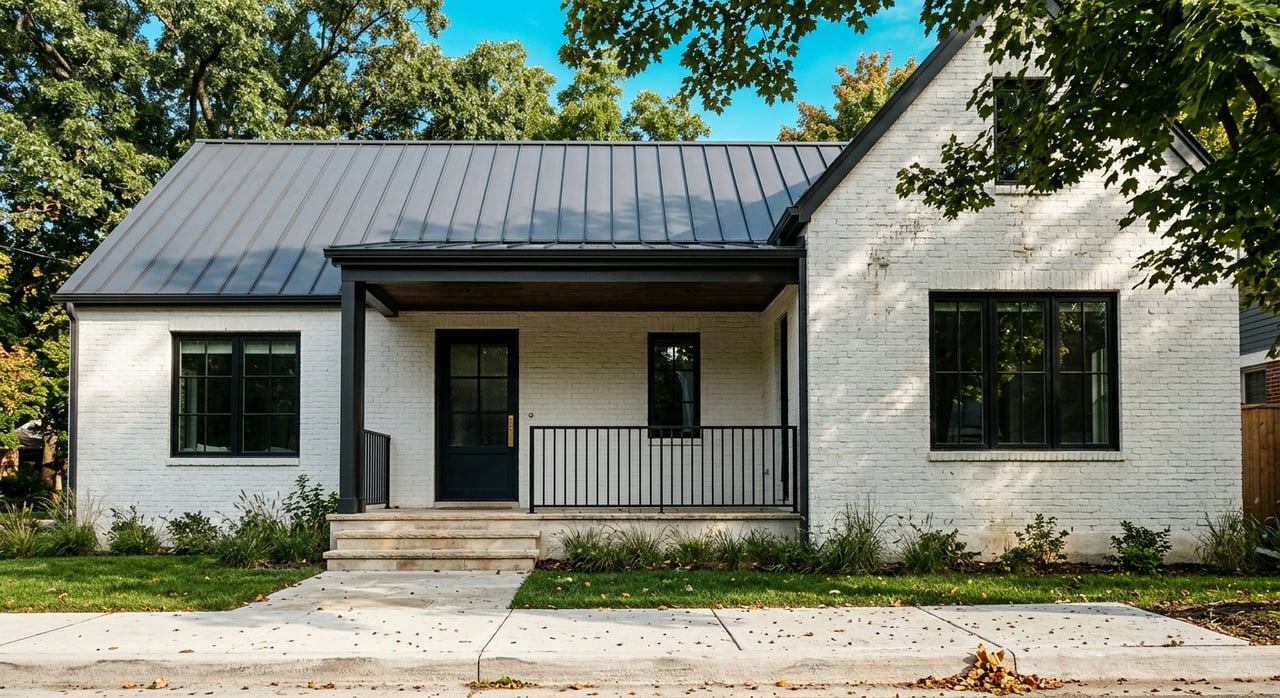
What makes a luxury neighborhood truly livable on foot? In Virginia-Highland, the answer is not just a single shopping street or a famous park. It is the way historic homes, leafy residential blocks, pocket greens, and a busy local corridor come together to create a day that feels polished, easy, and distinctly intown. If you are exploring Virginia-Highland as a lifestyle move or a long-term property play, this guide will help you picture how a walkable day unfolds here. Let’s dive in.
Why Virginia-Highland Feels Walkable
Virginia-Highland is one of Atlanta’s official neighborhoods and also a National Register historic district. Its identity centers on the intersection of Virginia and Highland avenues, and the neighborhood is generally framed by Ponce de Leon Avenue to the south, the BeltLine, Piedmont Park, and Midtown edge to the west, Amsterdam Avenue and Morningside-Lenox Park to the north, and Druid Hills and Atkins Park to the east.
That layout matters because it creates a neighborhood that feels connected rather than isolated. The City of Atlanta’s Main Street program describes the district as a 1.4-mile stretch of North Highland Avenue lined with trees, long-standing restaurants, legacy bars, shops, and wellness-oriented businesses, which gives you a strong everyday spine for errands and leisure.
The numbers support that impression. Walk Score lists Virginia-Highland as Atlanta’s 15th most walkable neighborhood, with a Walk Score of 77, a Transit Score of 40, and a Bike Score of 73. It also notes roughly 145 restaurants, bars, and coffee shops, which helps explain why so much of daily life can happen without getting in the car.
A Neighborhood That Reads Like a Village
One of Virginia-Highland’s biggest strengths is that it does not feel like a single commercial strip with houses behind it. Instead, it reads like a stitched-together village, where retail pockets, neighborhood parks, and quieter residential streets sit close enough together to make walking feel natural.
The neighborhood association highlights that residents are within walking distance of shopping, dining, nightlife, neighborhood parks, Piedmont Park, and the BeltLine. That mix creates an experience that feels social and low-stress, especially if you value the option to move between lively corners and calmer blocks in the same afternoon.
For luxury buyers, that contrast can be especially appealing. You can enjoy a polished, active intown setting while still stepping back into streets defined by mature trees, historic architecture, and a more private residential rhythm.
Starting the Day on North Highland
A walkable day in Virginia-Highland often begins along North Highland Avenue. This corridor is the neighborhood’s most visible public face, and it gives you a quick sense of why the area has such lasting appeal.
Tree cover, storefront variety, and a strong local-business presence create visual texture as you move through the district. Rather than feeling overly programmed, the corridor feels layered and established, which suits buyers who prefer neighborhoods with identity already in place.
From a lifestyle perspective, this kind of setting makes spontaneous routines easier. A coffee stop, a quick errand, a lunch meeting, or a wellness appointment can all fit into the same walk, and that convenience tends to shape how a neighborhood feels over time.
The Parks That Soften the Pace
Virginia-Highland’s green spaces are a major part of its appeal. They break up the built environment and give the neighborhood a softer, more residential cadence.
John Howell Park is often described by the neighborhood association as the signature park and sits just blocks from Virginia and North Highland. The City of Atlanta lists John Howell Memorial Park at 797, 833, and 869 Virginia Ave. NE, reinforcing how closely the park is woven into the neighborhood’s core.
Other greens add to that everyday ease. The city lists Orme Park at 795 Brookridge Dr. NE, while the Triangle at Virginia and North Highland serves as a neighborhood planting and gathering spot. VHCA also maintains North Highland Park as a neighborhood-owned green space, which speaks to the area’s active local stewardship.
These spaces do more than add scenery. They create natural pauses in the day, making a longer walk feel less like a route and more like a sequence of connected places.
Where the Luxury Enclaves Begin
Just beyond the busier retail corridor, Virginia-Highland’s quieter residential streets reveal another side of the neighborhood. This is where the luxury story becomes more nuanced.
The National Register documentation describes Virginia-Highland as a highly intact early-20th-century suburban neighborhood developed between 1889 and 1955, with most development taking place from 1905 through 1936. Across more than 600 acres, the district is defined by Craftsman, English Vernacular Revival, and Colonial Revival architecture, along with bungalow, English cottage, and American Foursquare house types.
For buyers drawn to character and permanence, that architectural fabric matters. It creates a sense of place that newer neighborhoods often struggle to replicate, especially when paired with established landscaping and coherent streetscapes.
Quiet Streets With Lasting Appeal
If you are imagining Virginia-Highland’s more tucked-away luxury enclaves, several streets stand out in the historic record. The North Boulevard Park area includes streets such as Orme Circle, Park Drive, Elmwood Drive, and Cresthill Avenue.
The National Register nomination also calls out English cottages on Lanier Boulevard, Kentucky Avenue, and Stillwood Drive. Bungalows on Park Drive and Orme Circle add another layer to the neighborhood’s architectural range, giving these blocks a collected, curated feel rather than a repetitive one.
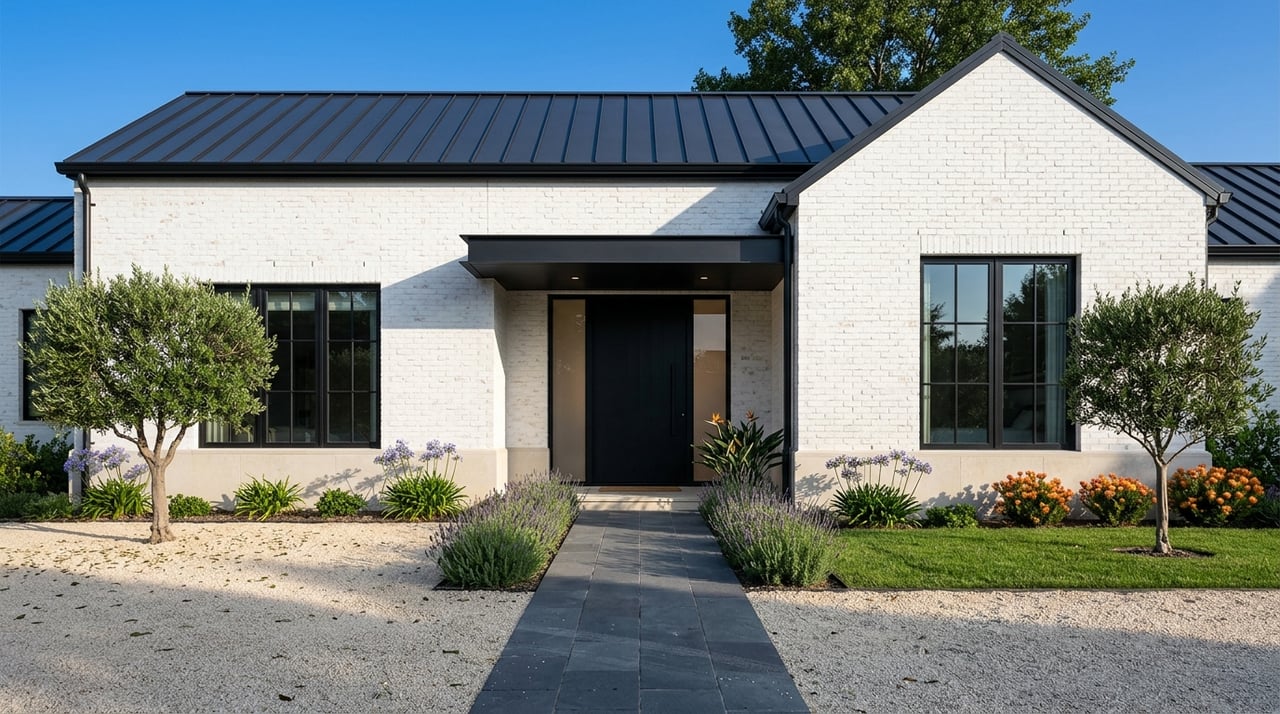
What ties many of these streets together is not only architecture but setting. Uniform setbacks, deep front lawns, and mature trees and shrubs create shaded, composed residential scenes that feel distinctly separate from the commercial corridor, even when they are only a short walk away.
A Sample Walkable Day in Virginia-Highland
If you want to picture daily life here, think in sequences rather than destinations. A walkable day in Virginia-Highland often unfolds in a calm, intuitive rhythm.
You might begin on North Highland Avenue, where the neighborhood’s shops, dining spots, and service businesses create an easy first stop. From there, it is natural to move toward one of the nearby greens, such as John Howell Park or the Triangle, before continuing into the quieter interior streets.
That is where the mood shifts. The busier edges give way to historic homes, mature landscaping, and blocks that feel more private and residential. Later in the day, you can loop back toward the neighborhood’s active core or continue walking toward nearby destinations like Piedmont Park or the BeltLine edge.
Why Buyers Watch This Market Closely
Virginia-Highland’s lifestyle appeal is matched by a market profile that signals scarcity and value. Redfin reported a median sale price of $750,000 in March 2026 and an average market time of about 21 days.
Zillow reported a typical home value of $956,912 as of March 31, 2026. These are different measurements and should not be treated as identical, but together they point to a high-value market where demand remains strong.
For buyers, that usually means Virginia-Highland attracts attention for more than charm alone. Historic housing stock, walkable daily convenience, access to parks and the BeltLine edge, and a well-established neighborhood identity all support its premium positioning.
What This Means for Luxury Buyers
For a luxury buyer, Virginia-Highland offers something increasingly hard to find: character, convenience, and relative privacy in one setting. The neighborhood gives you access to an active intown lifestyle, but many of its most compelling residential streets remain visually calm and architecturally grounded.
That combination can be especially meaningful if you value homes with restoration potential, legacy appeal, or strong design bones. In a neighborhood shaped by historic preservation and active civic involvement, the right property can offer both immediate lifestyle value and long-term stewardship opportunity.
This is also where a more tailored search becomes useful. In a market where not every compelling property fits a broad public narrative, buyers often benefit from guidance that considers architecture, block-by-block feel, privacy, and future design possibilities together rather than separately.
Why Design Matters Here
In Virginia-Highland, buying well often means seeing beyond finishes. The neighborhood’s historic fabric rewards buyers who understand proportion, lot placement, streetscape context, and the long-term value of thoughtful restoration or sensitive updates.
For homes in established settings like Orme Circle, Lanier Boulevard, or Stillwood Drive, design decisions can shape how a property lives for years to come. That is especially true when you want to preserve architectural character while improving flow, comfort, and daily function.
A neighborhood like this invites a more refined lens. Instead of asking only what a home is today, you can also ask what it could become with the right stewardship.
A Refined Intown Lifestyle
Virginia-Highland continues to stand out because it blends energy with ease. You can walk to dining, shops, parks, and nearby destination areas, then return to residential streets that feel shaded, settled, and architecturally rich.
That is the essence of a walkable day here. It is not just about checking off nearby amenities. It is about living in a neighborhood where the public realm and the private home experience support each other in a way that feels complete.
If you are considering Virginia-Highland for a purchase, restoration, or a more design-led move within Atlanta, Komare Luxe Realty offers private consultation, virtual tours, and an integrated perspective that connects acquisition with design and long-term property vision.
FAQs
What makes Virginia-Highland walkable for homebuyers?
- Virginia-Highland combines a 1.4-mile commercial corridor on North Highland Avenue with parks, residential streets, and access to nearby destinations such as Piedmont Park and the BeltLine edge. Walk Score currently gives the neighborhood a 77.
Which parks shape daily life in Virginia-Highland?
- Key neighborhood green spaces include John Howell Memorial Park, Orme Park, the Triangle at Virginia and North Highland, and North Highland Park.
Which streets reflect Virginia-Highland’s quieter luxury enclaves?
- Historic documentation highlights streets such as Orme Circle, Park Drive, Elmwood Drive, Cresthill Avenue, Lanier Boulevard, Kentucky Avenue, and Stillwood Drive for their residential character and architectural interest.
What architectural styles define Virginia-Highland homes?
- The historic district is known for Craftsman, English Vernacular Revival, and Colonial Revival architecture, along with bungalow, English cottage, and American Foursquare house types.
What does the Virginia-Highland housing market look like?
- March 2026 market snapshots show a median sale price of $750,000 according to Redfin and a typical home value of $956,912 according to Zillow, pointing to a high-value and relatively limited market.
Why do luxury buyers consider Virginia-Highland?
- Buyers are often drawn to the combination of historic homes, walkable daily convenience, established parks, strong neighborhood identity, and quieter residential streets just beyond the active corridor.