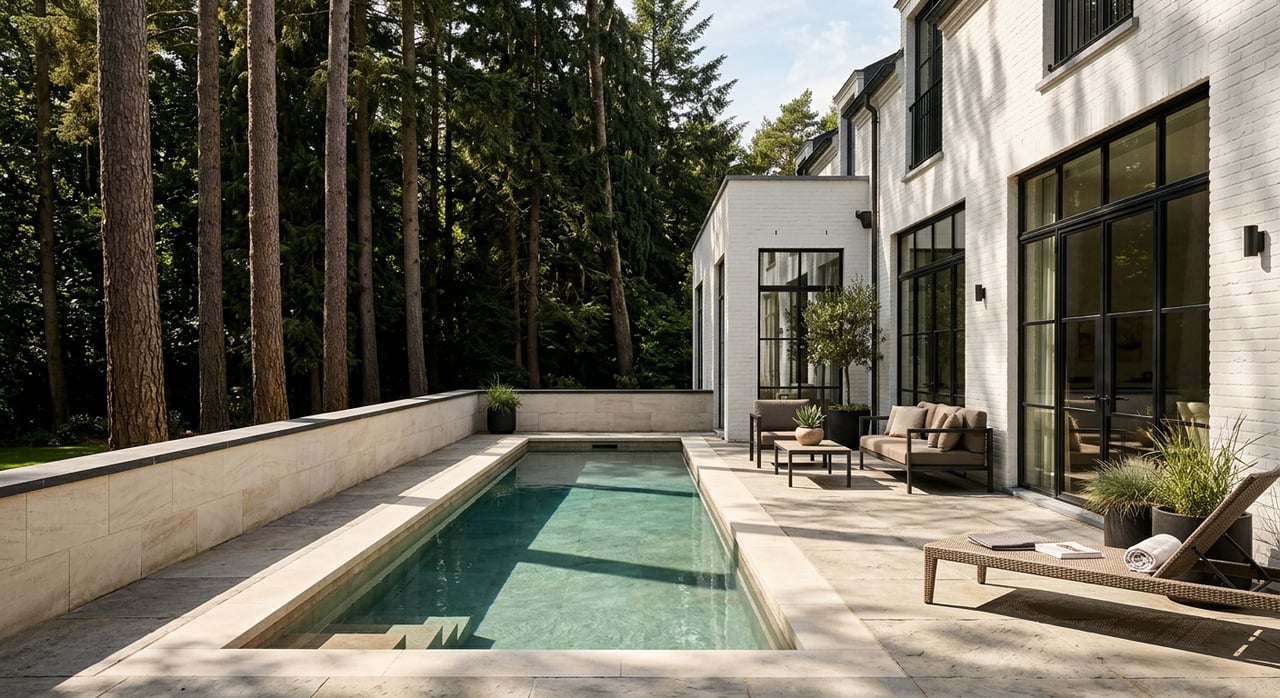
Looking for a Cape Town address that feels tucked into nature without cutting you off from daily life? Tokai stands out for exactly that balance. If you are drawn to privacy, generous space, and a refined estate lifestyle near the Southern Suburbs, this guide will help you understand what makes Tokai’s forest-facing luxury estates so compelling. Let’s dive in.
Tokai offers space and access
Tokai sits about 21 kilometers south of Cape Town’s CBD and about 30 kilometers from the airport, with access along Tokai Road and the M3 corridor. The area also has a public transport interchange and a nearby railway station, which adds practical day-to-day connectivity.
What makes Tokai feel different is its scale. The City of Cape Town notes that the wider area includes mixed-use, business, and residential land uses, with average land parcels of about 2,000 to 5,000 square meters. That creates a sense of openness that is hard to replicate in more compact suburban settings.
Forest-edge living shapes the lifestyle
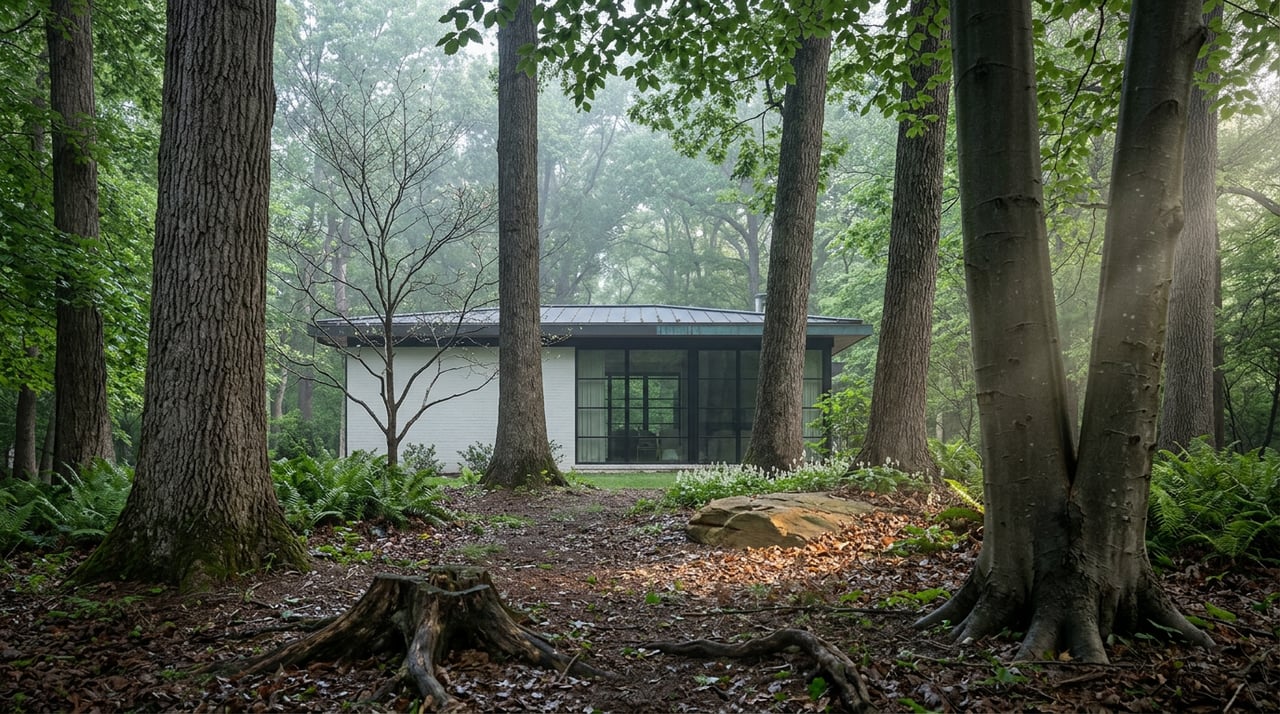
In Tokai, the green backdrop is not just decorative. The area is closely tied to Tokai Forest and the surrounding mountain landscape, giving many homes and estates a stronger relationship with nature, views, and outdoor rhythm.
It is helpful to understand that Tokai Forest is a managed conservation and recreation area. SANParks notes that Tokai and Cecilia were commercial plantations, and parts of the landscape are being rehabilitated toward indigenous forest and fynbos. That means the environment feels alive and evolving, rather than fixed.
For many buyers, this outdoor access is a major part of Tokai’s appeal. SANParks identifies parts of Tokai Plantation and Silvermine as popular terrain for mountain biking, hiking, and trail use, which supports a lifestyle centered on movement, fresh air, and direct access to the mountain.
Conservation is part of daily reality
Forest-facing living in Tokai comes with a more active relationship to land management. Access to trails can change as SANParks responds to restoration needs, ecological burns, or fire-related closures and reopenings.
That is not a drawback so much as a defining part of the setting. After the April 2025 fire, for example, SANParks reopened Tokai and Silvermine trails in phases while some areas remained closed during restoration. If you value this landscape, it helps to see it as a protected, working natural edge rather than a static parkland view.
Tokai has real heritage depth
One reason Tokai feels established rather than manufactured is its history. SANParks describes Tokai Manor as part of the area’s historical agricultural landscape, with access from Tokai Road and views over forested land.
The Tokai Arboretum, established in 1886 near the 1795 manor hall, adds another layer to that story. In practical terms, this heritage gives Tokai a sense of permanence. You are not buying into a location trying to create identity from scratch. You are stepping into one that already has it.
Luxury estates lean into the landscape
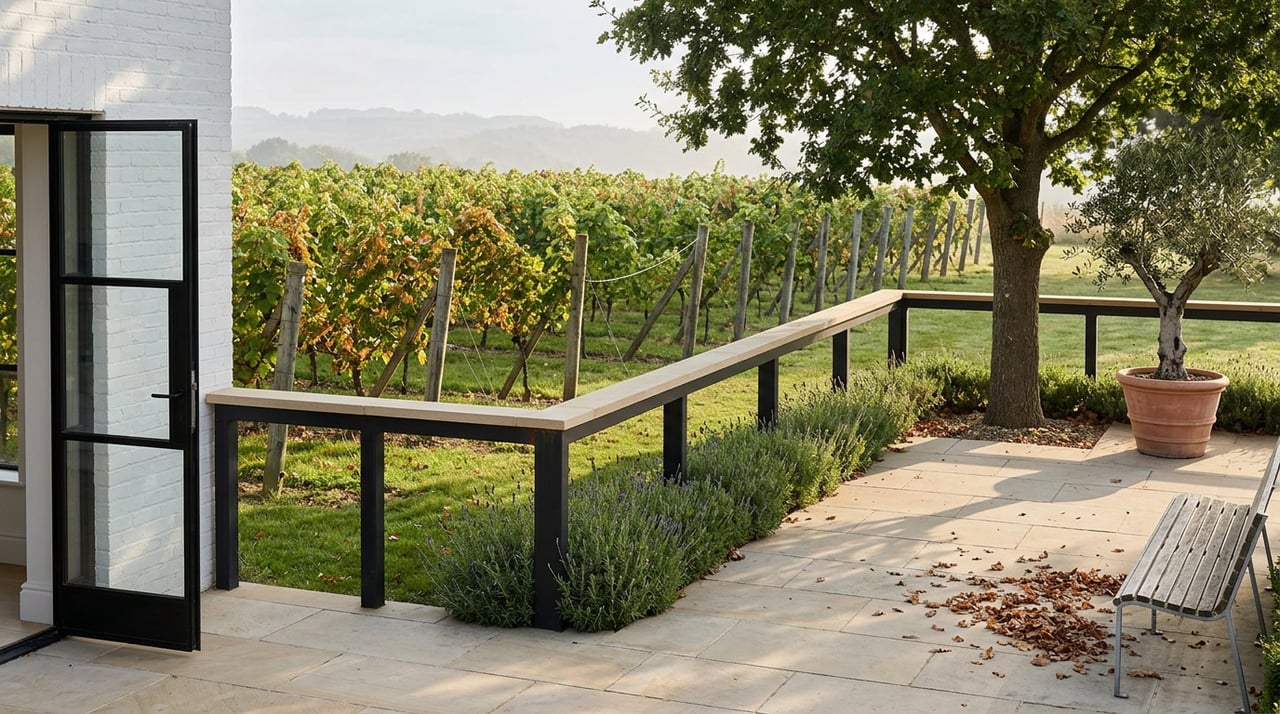
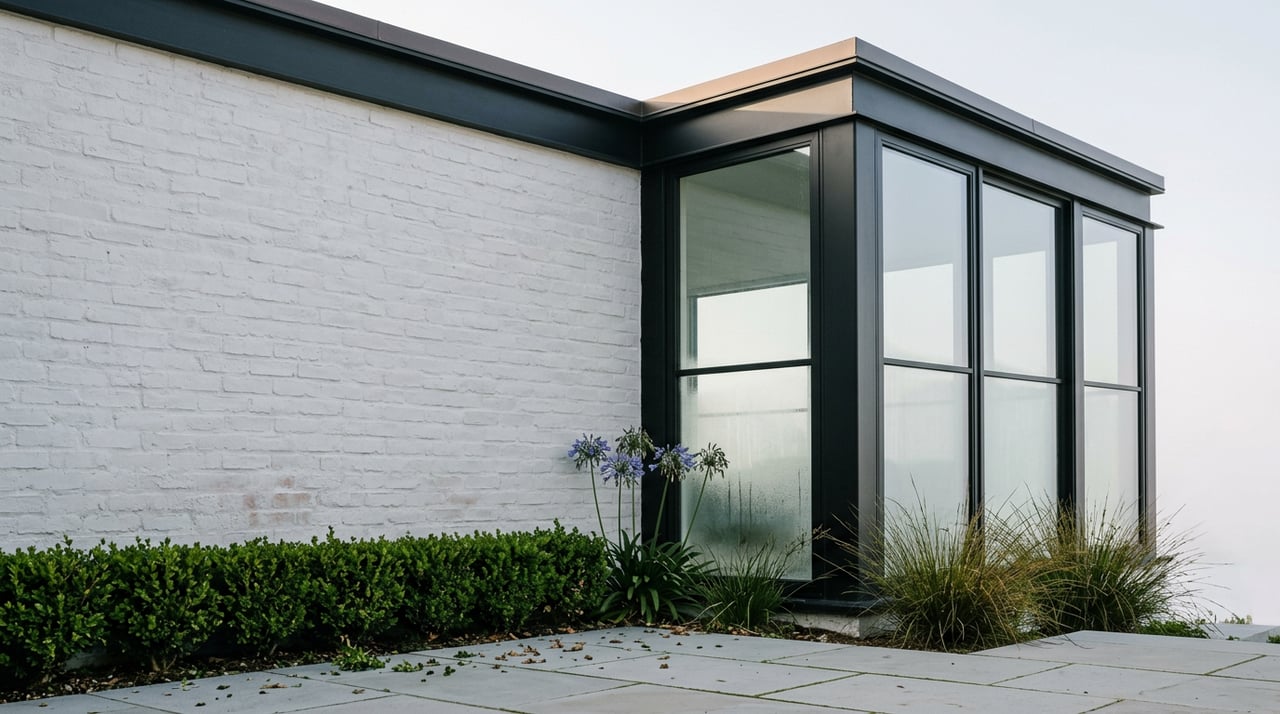
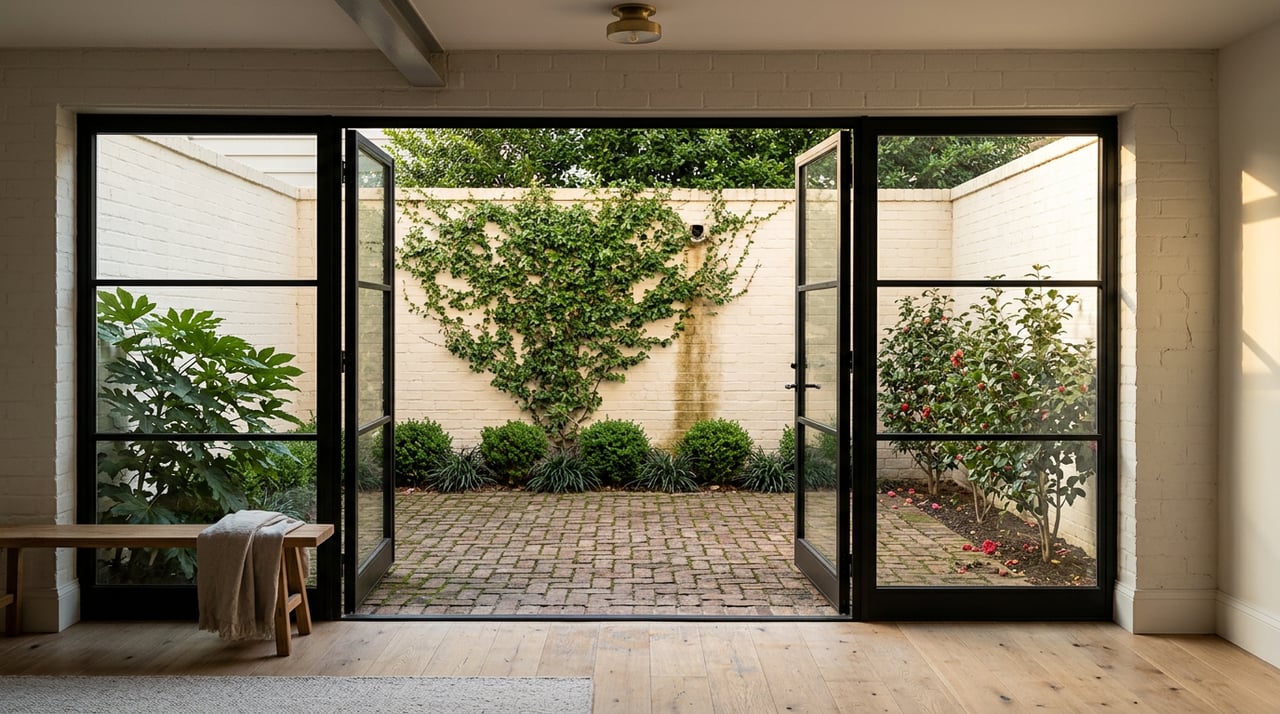
Tokai’s luxury housing is not defined by a single style, but there is a clear architectural thread in the area’s more premium estates. Alongside older Cape farm heritage, newer homes tend to favor contemporary forms, natural stone, timber, verandahs, terraces, courtyards, and rooflines that respond to mountain contours.
This matters because the best homes here do not fight the setting. They work with it. The result is a more grounded expression of luxury, where design feels connected to the land, light, and topography.
Estate living feels private and composed
For buyers considering estate property, Tokai offers a polished version of secure, low-density living. Stonehurst is a useful example of the amenity-rich estate model in the area, with a lifestyle centre that includes a lounge and restaurant, gym, indoor training pool, and event space.
That kind of setup supports a lock-up-and-go lifestyle without losing the residential calm many buyers want. It can suit full-time owners, second-home buyers, and households looking for convenience paired with a stronger sense of privacy.
In the broader Tokai area, Zwaanswyk’s City-approved Special Rating Area adds another layer of managed neighborhood character through coordinated maintenance, security, CCTV, and perimeter measures. Together, these examples show how Tokai can offer a more curated living environment while still feeling connected to the mountain landscape.
Everyday life stays close to home
One of Tokai’s strengths is that it does not ask you to choose between tranquility and convenience. The area’s location within the Southern Suburbs makes daily routines more manageable, especially if you prefer to keep work, errands, dining, and recreation within a familiar part of Cape Town.
For coffee or casual meals, Tokai includes local options like Bootlegger Tokai on Tokai Road and The Brasserie in the heart of Tokai. These are the kinds of places that support easy weekday rhythms, whether you are meeting someone for breakfast or stopping for lunch between appointments.
Wine-estate culture adds depth
Beyond daily convenience, Tokai also benefits from being close to some of the Southern Suburbs’ most established lifestyle destinations. Steenberg, whose farm dates to 1682, now combines a hotel, spa, golf course, wine tasting, and dining within a single estate setting.
Nearby on the Constantia side, Groot Constantia and Constantia Uitsig extend that wine-estate atmosphere. For you as a resident, this means weekend plans do not need much planning. A relaxed lunch, tasting, or scenic dinner can be part of your normal routine rather than a special trip across the city.
School access supports family routines
For buyers thinking about long-term livability, Tokai is well placed for access to the Southern Suburbs’ established school network. Nearby options mentioned in the area context include Reddam House Constantia in Constantia, Bergvliet Primary in Bergvliet, and Westerford High in Newlands.
The key advantage here is geographic convenience. Depending on your routine, school runs and after-school schedules can stay largely within the Southern Suburbs, which may reduce the need for cross-city commuting.
Tokai suits several buyer profiles
Tokai tends to appeal to buyers who want greenery, privacy, and a composed residential setting with strong day-to-day convenience. Based on the area’s mix of secure estates, forest access, nearby schools, and lifestyle destinations, it is especially relevant for families, downsizers, and buyers with a nature-focused outlook.
It also has clear appeal for cross-border and second-home buyers who want a refined Cape Town base with a quieter, low-rise character. If you value landscape, discretion, and a residential environment with a strong sense of place, Tokai deserves a closer look.
What to weigh before buying
Like any distinctive location, Tokai comes with trade-offs. The same forest edge that makes the area so appealing also means living alongside an active conservation zone, where trail access, restoration work, and fire management can affect how the landscape is used at different times.
For many buyers, that is a worthwhile exchange for the setting, space, and lifestyle on offer. The important thing is to buy with a clear understanding of how the area functions, not just how it looks on a perfect day.
Why Tokai stands out in Cape Town
Tokai’s forest-facing luxury estates offer a rare blend of natural setting, architectural restraint, heritage depth, and practical access. You can enjoy mountain proximity, spacious surroundings, and amenity-rich living while staying connected to the wider Southern Suburbs.
For buyers who see luxury as calm, privacy, and lasting quality rather than excess, Tokai has a quiet confidence. It feels established, scenic, and livable in equal measure.
If you are exploring Tokai real estate and want discreet guidance on luxury estates, private opportunities, or a design-led path from acquisition to transformation, Komare Luxe Realty can help you navigate the market with clarity and care.
FAQs
What is Tokai like for luxury estate living in Cape Town?
- Tokai offers a low-rise, spacious residential setting shaped by mountain views, forest-edge living, and estate-style homes that often emphasize privacy, landscape, and contemporary design.
What should you know about living near Tokai Forest?
- Tokai Forest is a managed conservation and recreation landscape, so trail access and surrounding conditions can change due to restoration work, fire management, or phased reopenings.
What types of homes are common in Tokai luxury estates?
- Luxury homes in Tokai often combine contemporary architecture with natural materials, terraces, verandahs, courtyards, and roof forms that respond to the surrounding mountain contours.
What amenities support daily life in Tokai?
- Tokai offers practical access to local coffee and dining options, nearby transport links, Southern Suburbs road connections, and easy reach to wine-estate destinations such as Steenberg and Constantia-side properties.
Who is Tokai best suited for as a residential area?
- Tokai is well suited to buyers seeking privacy, greenery, and convenience together, including families, downsizers, second-home buyers, and those drawn to an outdoor lifestyle.
How far is Tokai from central Cape Town and the airport?
- Tokai is about 21 kilometers from Cape Town’s CBD and about 30 kilometers from the airport, with access along Tokai Road and the M3 corridor.