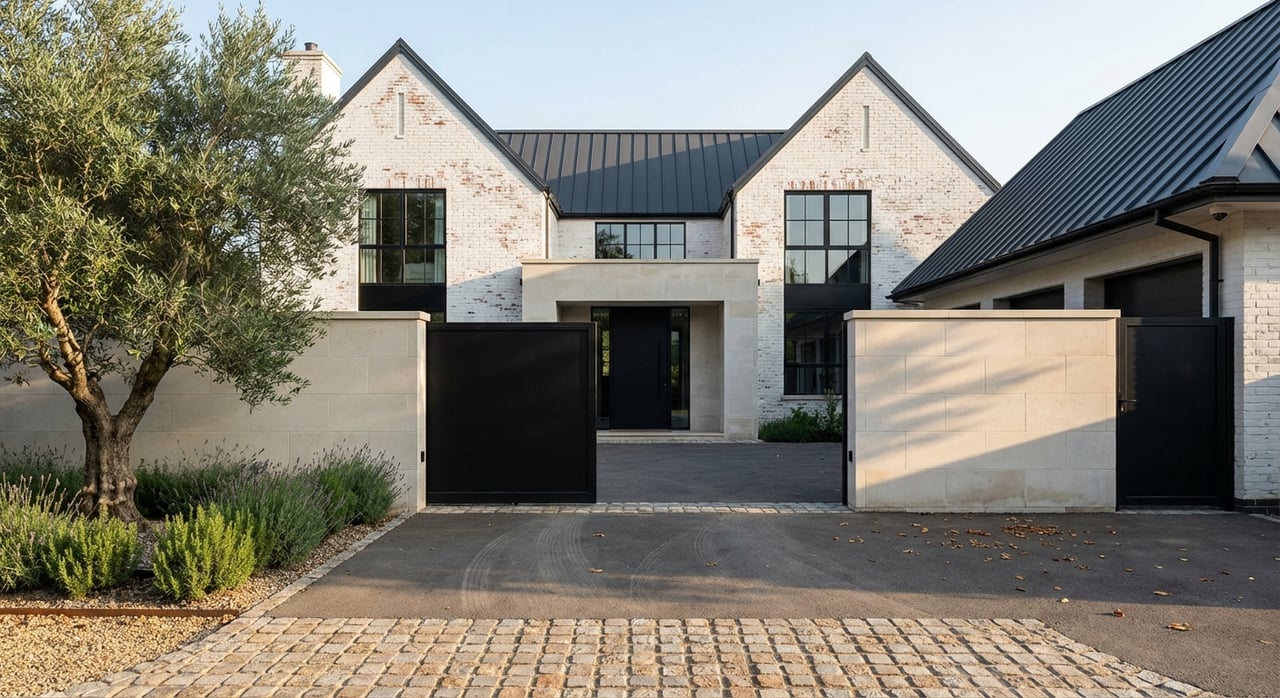
Thinking about a Cape Winelands base that doubles as an investment? You want a secure, low‑maintenance home with standout amenities and real rental appeal when you are away. This guide gives you a clear view of Val de Vie Estate: how the precincts differ, what it costs to own, how rentals work, and what international buyers need to know. Let’s dive in.
Why Val de Vie stands out
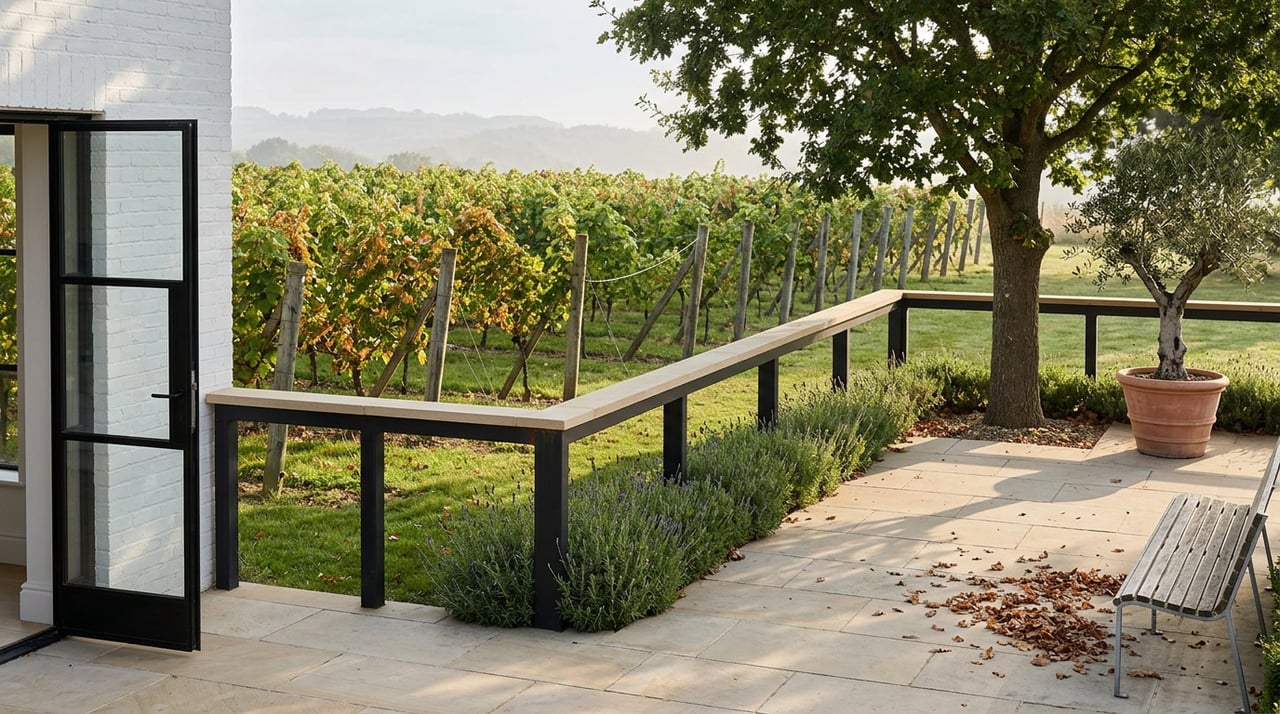
Val de Vie is a large, low‑density estate with about 1,000 hectares, including extensive green space, lakes, Berg River frontage, polo fields, an equestrian center, and the Jack Nicklaus Signature golf course. The estate markets high‑level security, wellness, and a sport‑forward lifestyle supported by trails, courts, pools, and clubhouses. You can review these estate details in the official information guide for a deeper look at scale and facilities. See the estate overview.
Accessibility also supports second‑home use. Estate materials indicate about 35 minutes to Cape Town and Cape Town International Airport, with traffic adding variability. That ease of access helps if you split time between cities, or plan regular long‑weekend visits. Review the travel notes and on‑estate stay options through the estate’s rental pages. Check the estate’s travel and stay info.
Seasonal events deepen demand. Headline attractions such as the Veuve Clicquot Masters Polo have drawn national and international visitors, which lifts short‑stay bookings during event weeks. If you plan to rent part‑time, mark these dates early. View a past Masters Polo feature.
Property options by precinct
Pearl Valley golf living
Pearl Valley sits within the greater Val de Vie entity and centers on the Jack Nicklaus course. You will find golf‑facing homes, larger family residences, and stands with their own HOA structure. Golf proximity and clubhouse access make this a fit if you prize fairway views and an active sporting routine.
Polo Village lock‑up apartments
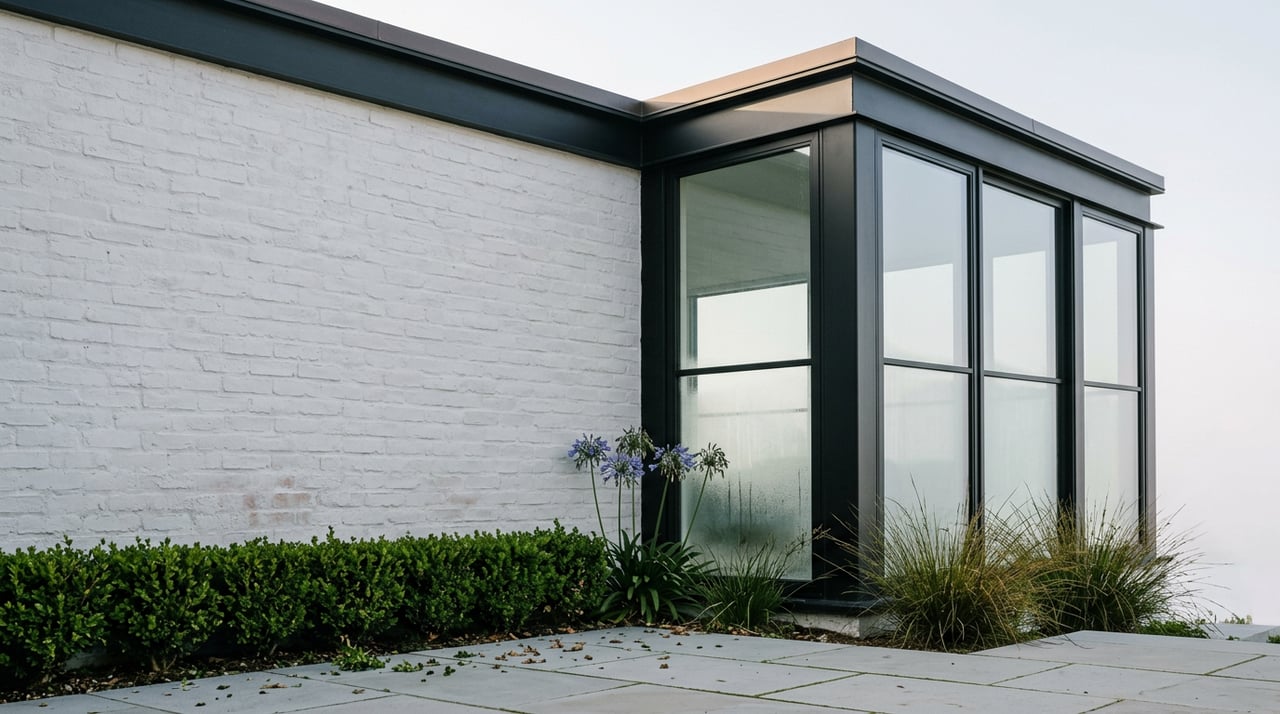
Polo Village offers architect‑designed apartments that suit a lock‑up‑and‑go lifestyle. This is a practical choice if you want low maintenance, quick turnarounds between visits, and easy access to polo and equestrian amenities.
The Acres and lifestyle stands
The Acres and adjacent lifestyle precincts offer larger plots for gardening, vines, or added privacy, subject to HOA and municipal approvals. If you are building a long‑term family base or want room for a bespoke outdoor program, start here. Explore The Acres.
Evergreen retirement
Evergreen operates on a life‑right model, which differs from freehold or sectional title. If you are considering retirement options, ask your adviser to walk you through life‑right rules on refunds, resale, and letting before you commit.
What it costs to own
HOA levies vary by precinct and unit type. Estate documents show example figures that help with planning, such as Val de Vie Phase levies around R3,969 per month and Pearl Valley HOA around R2,741 per month. Always request the current levy schedule and what it covers for your exact property. Review estate levies and HOA context.
Municipal rates and utilities are billed by Drakenstein Municipality and depend on municipal valuation and usage. Your electricity strategy matters for running costs. Confirm current estate energy initiatives and any owner rules on linking to estate services as part of due diligence.
Plan for insurance, landscape care, pool service, and general upkeep. As a simple planning rule, many owners reserve 1–2% of property value per year for maintenance, adjusted for the property’s age and condition.
Rental potential and yield basics
Val de Vie supports short‑term stays through estate‑run channels, which simplifies onboarding and can help with occupancy. This, combined with wine‑region seasonality and event peaks, gives part‑time owners a way to offset carrying costs. See the estate’s short‑stay channel.
To estimate net yield, keep your inputs grounded and conservative:
- Gather nightly rates for comparable on‑estate listings. Include high season, shoulder, and off‑season.
- Set three occupancy scenarios. Event weeks often outperform, but winters can be slower.
- Subtract on‑estate management fees, HOA levies, rates and utilities, cleaning, insurance, and a repairs reserve to reach net operating income. Then divide by your purchase price.
Professional short‑let managers in the Cape market often charge about 10–25% of gross booking revenue, depending on service level. Confirm inclusions like guest support, platform fees, and cleaning before you project returns. Review short‑let fee norms.
How international buyers purchase
Good news for cross‑border buyers. There is no blanket prohibition on non‑residents owning residential property in South Africa. You can invest if foreign funds are introduced through an authorized dealer, and sale proceeds are generally repatriable upon exit, subject to documentation and reporting. Your bank’s forex desk should be involved early. Read SARB’s guidance.
Budget for the standard purchase costs. Purchasers pay Transfer Duty according to SARS bands, unless you buy from a VAT‑registered developer where VAT may apply instead. Your conveyancer will confirm the correct regime for your deal. See SARS Transfer Duty guidance.
If you buy from a non‑resident seller, the purchaser or transferring attorney must withhold a percentage of the price and pay it to SARS unless a directive applies. Current guidance indicates 7.5% for natural persons, 10% for companies, and 15% for trusts. This is an advance on the seller’s capital gains tax. Review SARS Section 35A rules.
Financing terms for non‑residents can be stricter. Many banks expect larger deposits, with market commentary often citing around 50% loan‑to‑value for bona fide non‑residents, though terms vary by bank and profile. If you earn in South Africa and have local permits, you may access higher LTVs. See an overview of foreign‑buyer mortgage practice.
Plan for an 8–12 week timeline from signature to registration for a straightforward, financed purchase. Foreign funds clearance, bank processes, and SARS steps can affect this. Your conveyancer will map the path and milestones. View a step‑by‑step transfer outline.
Smart due diligence checklist
Use this short list before you finalize terms:
- Title deed and tenure type, plus any servitudes or agricultural conditions for larger lifestyle holdings.
- HOA rules, current levies, what the levy covers, recent AGM minutes, annual budget, and reserve position. Reference the estate guide.
- Short‑let conduct rules, registration steps, and any insurance requirements for holiday renting. Check the estate’s rental program.
- Rates and utilities history, and any planned special levies or infrastructure projects.
- Lender pre‑approval if you will finance, including deposit requirements for non‑residents.
- Tax estimate: Transfer Duty or VAT, conveyancing and bond registration fees, and Section 35A procedures if a non‑resident seller is involved.
Three clear investment paths
1) Lock‑up apartment for effortless returns
Pick a Polo Village‑style apartment or similar low‑maintenance unit close to amenities. This suits you if you want simple ownership, quick turnovers for short‑lets, and an easy cleaning schedule between stays.
2) Golf‑adjacent family home with flexible use
Choose a home near the course and clubhouse to anchor family trips, with targeted short‑let availability in peak seasons and during marquee events. Focus on practical finishes, durable furniture, and secure owner storage to streamline changeovers.
3) Lifestyle stand with a bespoke build
Acquire a larger plot in a lifestyle precinct and commission a custom home that aligns with multigenerational use. An integrated design‑build partner can connect acquisition choices with architecture and delivery, which protects quality and timeline while creating an asset tailored to your family’s rhythm.
Your next step
If you are weighing a second home or an investment at Val de Vie, the right plan blends lifestyle goals with a clear cost and rental model. Our team can help you source the right precinct fit, structure a clean cross‑border path, and align acquisition with a design‑build strategy where needed. For a confidential conversation or a remote first look, connect with Komar Luxe Realty.
FAQs
What makes Val de Vie a strong second‑home choice?
- Scale, resort‑level amenities, and estate‑run short‑stay channels create real lifestyle utility with rental potential supported by seasonal tourism and event weeks.
How far is Val de Vie from Cape Town and the airport?
- Estate materials indicate about 35 minutes in typical conditions, with traffic variability; plan 35–45 minutes depending on time of day and season. See travel notes.
Can non‑residents buy in South Africa and take funds out later?
- Yes, if you introduce funds through an authorized dealer and keep the records needed for repatriation upon sale, subject to exchange‑control reporting. Read SARB guidance.
What taxes and fees should you budget when buying at Val de Vie?
- Budget for Transfer Duty or VAT, conveyancing and registration fees, and standard moving costs; your conveyancer will confirm the correct regime. SARS Transfer Duty overview.
Does Val de Vie allow short‑term rentals, and how do you list?
- The estate operates an official short‑stay channel. Confirm current rules, registration, and insurance needs before marketing your home. See the estate’s rental program.
What are typical HOA levies at Val de Vie?
- Levies vary by precinct and size. Estate examples indicate monthly figures in the low‑thousands of rand, but you should request the current schedule for your unit. Review levy context.