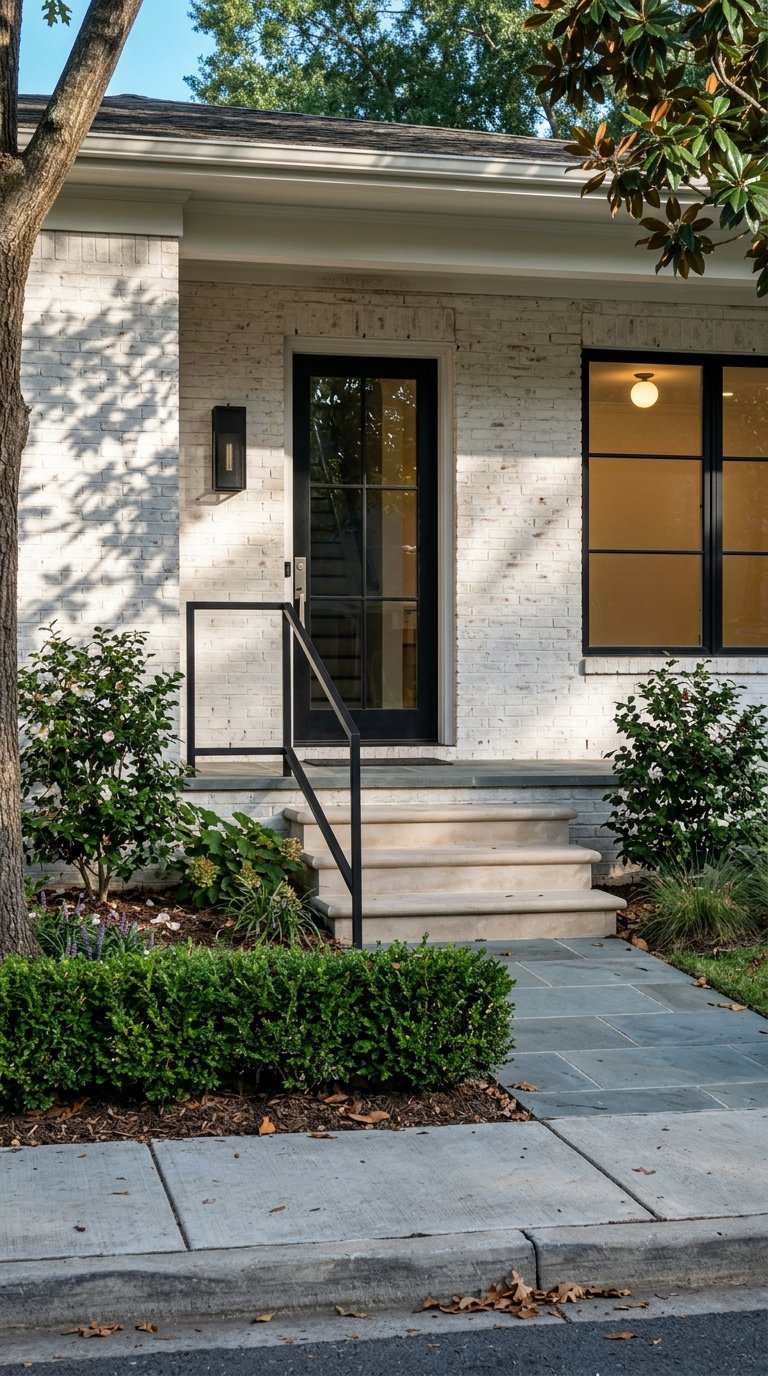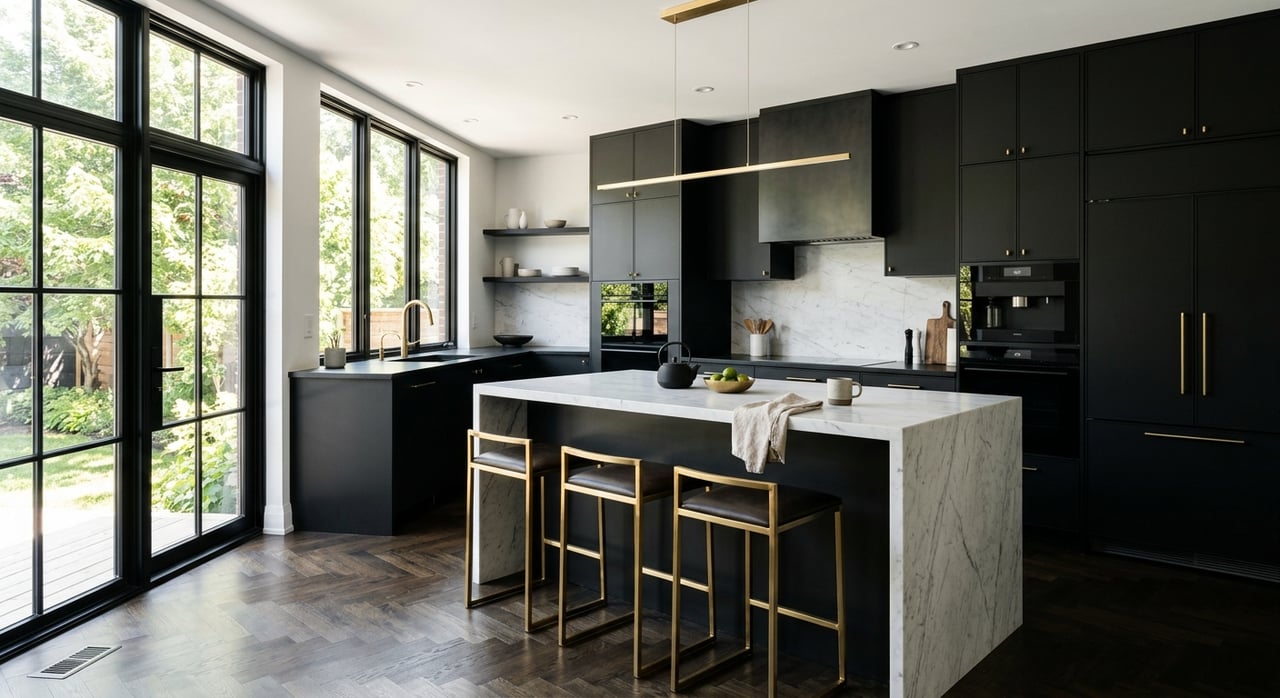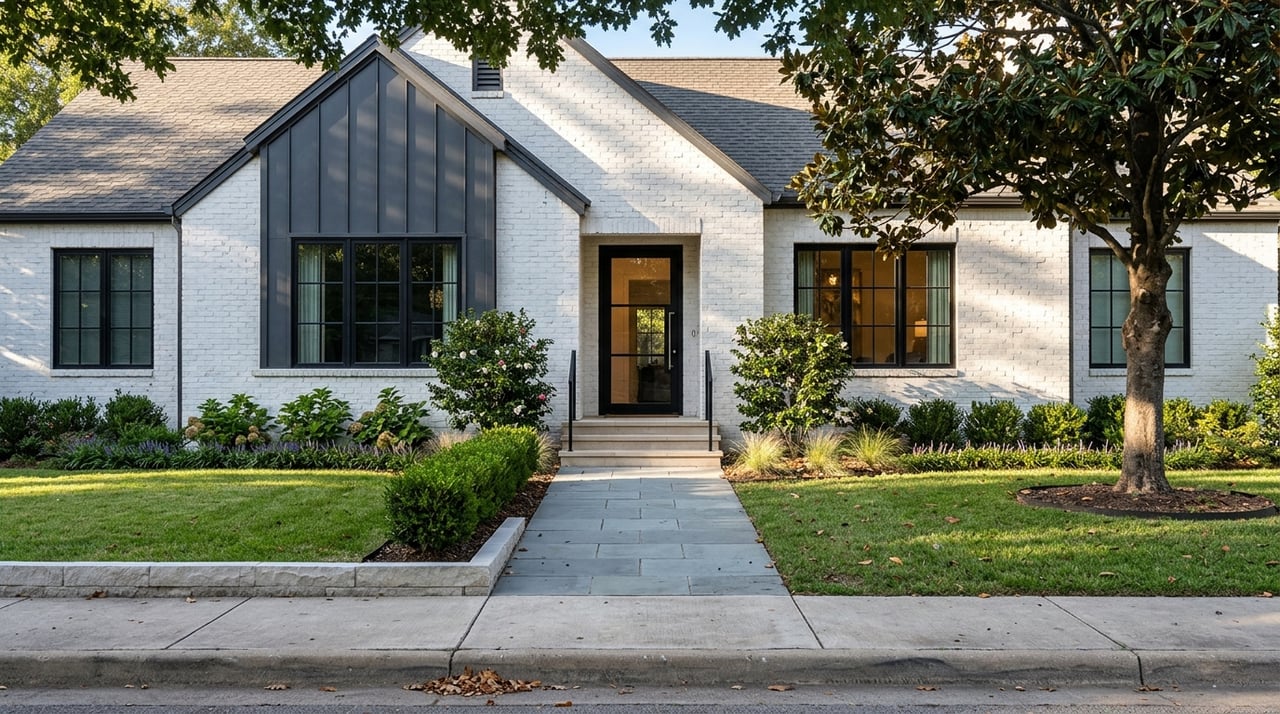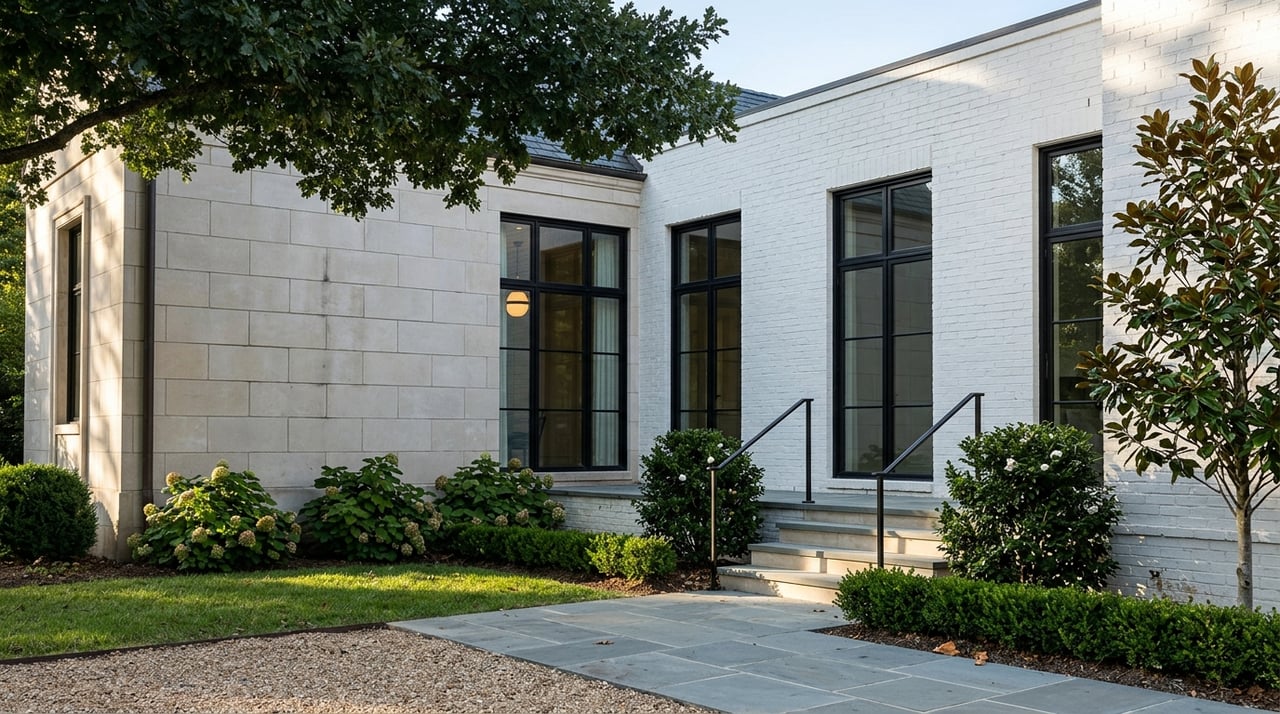
You can bring a historic Druid Hills home into modern life without stripping away the details that made you fall in love with it in the first place. That balance matters here more than in many Atlanta-area neighborhoods because Druid Hills was planned as an Olmsted-designed community where architecture and landscape work together as one historic resource, according to the National Park Service. If you are thinking about a renovation, addition, or even a careful systems upgrade, knowing what to preserve and where you have flexibility can save time, money, and frustration. Let’s dive in.
Why Druid Hills requires a careful approach
Druid Hills is not simply a collection of older homes. It is a historic district shaped by curving roads, established topography, and a strong relationship between the house and its setting.
That context affects how updates are reviewed today. The Druid Hills Civic Association notes that many homeowners need a Certificate of Appropriateness, or COA, before exterior work begins, and the exact rules depend on whether your property falls under DeKalb County or the City of Atlanta.
In practical terms, the historic value of your property may include more than the house itself. The front yard, tree canopy, walkways, roofline, porches, and masonry can all be part of what reviewers aim to protect.
Start with jurisdiction and scope
Before you sketch plans or call contractors, confirm where your parcel sits. Most of historic Druid Hills is in unincorporated DeKalb County, but some homes fall inside Atlanta, and that can affect the approval path.
For DeKalb properties, the county explains that a material change in appearance usually requires a historic preservation review. That category can include changes to façades, doors, windows, demolition, relocation, excavation, and site features such as walls, fences, steps, and pavements.
Interior-only changes that do not affect exterior appearance are generally excluded. That distinction is often the key to modernizing a historic house with less friction.
What features define the home’s character
If you want to preserve the soul of a Druid Hills home, focus first on the features the district treats as character-defining. The Druid Hills Design Manual places particular importance on original porches, entrance details, windows, masonry, roofs, gutters, and visible craftsmanship.
These elements do more than create curb appeal. They tell the story of the house and help it remain legible as part of the larger historic district.
That is why the preservation framework favors repair over replacement whenever possible. New work should be compatible with the old, but it should not pretend to be original.
Where modernization is easiest
The least complicated upgrades are often the ones you cannot see from the street. DeKalb County states that interior changes with no exterior impact are generally outside historic design review, which makes kitchens, baths, interior finishes, and many layout improvements the natural place to start.
That gives you room to improve daily life in meaningful ways. You may be able to rework circulation, upgrade plumbing, refresh cabinetry, or bring bathrooms up to modern standards without disturbing the exterior character.
For many owners, this is the sweet spot. You gain comfort and function while keeping the house’s public face intact.
Update kitchens and baths with restraint
A smart interior renovation does not need to mimic the past exactly. It should simply respect the age and proportions of the home.
In a historic Druid Hills property, that often means keeping original room logic where possible, avoiding overly aggressive demolition, and choosing finishes that feel calm rather than trendy. If your home has original trim, doors, or millwork inside, preserving those touches can help a newly renovated kitchen or bath still feel connected to the rest of the house.
The goal is not to freeze the house in time. The goal is to let modern comfort sit naturally within an older architectural story.
Handle windows, masonry, and porches with care
Once your project touches the exterior, the standard gets tighter. DeKalb guidance strongly favors retaining original masonry, porch and entrance millwork, and existing windows, sashes, hardware, and trim whenever possible.
If a window truly needs replacement, county staff guidance says the new unit should fit the original opening and match the original proportions and configuration. You can review that principle in this DeKalb staff report.
This is where many historic renovations either succeed quietly or lose their authenticity. A repaired original porch or correctly proportioned window usually preserves far more character than a full exterior swap.
Add modern systems without visual disruption
Historic homes often need better HVAC, improved electrical capacity, or energy-related upgrades. Those updates are usually possible, but placement matters.
The design guidance says air conditioners and similar systems should not disrupt the principal elevation. It also recommends placing rooftop solar on non-primary roof surfaces that are not visible from the public right-of-way when possible, as outlined in the Druid Hills Design Manual.
The same principle applies to roof and drainage changes. Keep the original roof form as intact as possible, make skylights unobtrusive, and place downspouts in locations such as corners or porch supports where they create less visual disruption.
Design additions so the original house stays primary
If you need more square footage, the location and massing of the addition will matter as much as the design itself. In Druid Hills, the most support tends to go to additions that are set behind the main façade, remain visually secondary, and allow the original house and roof profile to stay readable.
The county’s guidance favors additions that are compatible in scale and materials and, ideally, removable in the future without harming the historic structure. Front-facing additions or changes that overwhelm the original house are much harder to approve.
That same pattern appears in local review practice. According to a recent DeKalb staff report, rear additions, rear decks, backyard pools, outdoor kitchens, and rear garage work are more likely to gain approval when they stay behind the house and out of public view.
Treat the landscape as part of the architecture
One of the biggest mistakes homeowners make is thinking only about the structure. In Druid Hills, the landscape is part of the historic fabric too.
The county manual says the mature hardwood forest should be perpetuated, and replacement trees should be similar or identical varieties where possible. It also advises using Olmsted-era and native plant lists in appropriate areas, while discouraging fences and walls in front-yard spaces.
If you are planning grading, a pool, retaining walls, or major outdoor work, expect a broader review than you might in a non-historic neighborhood. DeKalb notes that projects like pools may require site plans showing setbacks, erosion control, tree locations, floodplain, state waters, and easements, along with additional approvals through its other permitting services.
Plan approvals before design details snowball
A common renovation mistake is falling in love with a plan before confirming whether it aligns with district standards. The Druid Hills Design Manual specifically says the planning phase should be completed before the COA application is submitted.
That matters because historic-district permit paths can take longer, and a COA may be only one piece of the process. Depending on the project, you may also need building, electrical, tree, land-disturbance, watershed, or health-related permits.
A more efficient path usually looks like this:
- Confirm whether your property is under DeKalb County or City of Atlanta jurisdiction.
- Identify which parts of your project are interior-only and which affect exterior appearance.
- Preserve and repair character-defining features whenever possible.
- Keep additions and new site features secondary to the original house.
- Complete planning before filing for COA review and related permits.
What thoughtful modernization looks like
The best historic renovations in Druid Hills rarely announce themselves. They tend to feel settled, balanced, and quietly intentional.
You might walk into a home with a beautifully updated kitchen, better climate control, refined baths, improved lighting, and stronger indoor-outdoor living, while the street-facing character remains remarkably intact. That is often the sign of a successful project in a district like this.
If you are considering a purchase, sale, or restoration strategy for a historic property, working with a team that understands both design intent and the approval landscape can help you protect long-term value while making the home work for modern life. To explore a discreet, design-led approach to heritage property stewardship, connect with Komare Luxe Realty for a private consultation or virtual tour.
FAQs
What exterior work on a Druid Hills home may need approval?
- In DeKalb County, a material change in appearance may require a COA, including façade changes, doors, windows, demolition, relocation, excavation, and changes to site features such as walls, fences, steps, and pavements.
What interior renovations on a Druid Hills home are usually simplest?
- Interior-only changes that do not affect exterior appearance are generally outside historic design review, which often makes kitchen and bathroom updates more straightforward.
What window replacements on a Druid Hills home are most likely to align with guidance?
- If replacement is necessary, the new windows should fit the original opening and match the original proportions and configuration, while repair is preferred whenever possible.
What additions on a Druid Hills home are more likely to be approved?
- Rear-set additions that remain visually secondary, do not dominate the original house, and preserve the readability of the historic roofline are generally more consistent with local guidance.
What landscape changes on a Druid Hills property need extra planning?
- Major site work such as pools, retaining walls, grading, or tree removal may trigger added permits and review, especially because mature trees, open front space, and historic circulation patterns are treated as part of the district’s character.