If you picture a luxury home on the forest edge as a glass box with endless views, Tokai asks you to think again. This part of Cape Town rewards restraint, site awareness, and a deeper respect for landscape than many other prestige addresses. When you design well here, you do more than create a beautiful house. You create a home that works with wind, rainfall, privacy, fire season, and the quiet character of the Southern Suburbs. Let’s dive in.
Why Tokai demands disciplined design
Tokai sits within the Bishopscourt, Constantia, and Tokai sub-district, which the City of Cape Town describes as a rural, green, and lower-density suburban area with a distinctive sense of place. In practical terms, that means the setting is not just scenic. It shapes how a home should sit on the land, address the street, and relate to open space.
City guidance for the area emphasizes protecting the urban edge and preserving public open space. It also favors setbacks, landscaping, and positive interfaces along scenic-route edges. For you as an owner, that makes design discipline part of the value equation, not a limitation.
Forest-edge luxury is an edge condition
The smartest way to approach a Tokai home is to see it as an edge condition. Your house is not fully urban, and it is not a remote lodge either. It needs to borrow from the forest, frame it carefully, and still protect you from the realities that come with living beside a sensitive landscape.
That balance is what makes Tokai luxury so compelling. The best homes here protect views without overexposing themselves, open to nature without feeling vulnerable, and create calm internal spaces that remain comfortable through changing seasons.
Start with climate, not just views
Cape Town has a warm Mediterranean climate with mild, moderately wet winters and dry, warm summers. The City also notes strong north-westerly winds in winter and strong south-easterly winds in spring and summer. In the southern suburbs near the mountains, rainfall can be much higher than the citywide average.
For a Tokai home, that means architecture should respond to weather from the start. A house that is only designed around panoramic glazing may struggle with wind, rain exposure, and year-round comfort. A better brief begins with shelter, orientation, and seasonal adaptability.
Use outdoor rooms as climate buffers
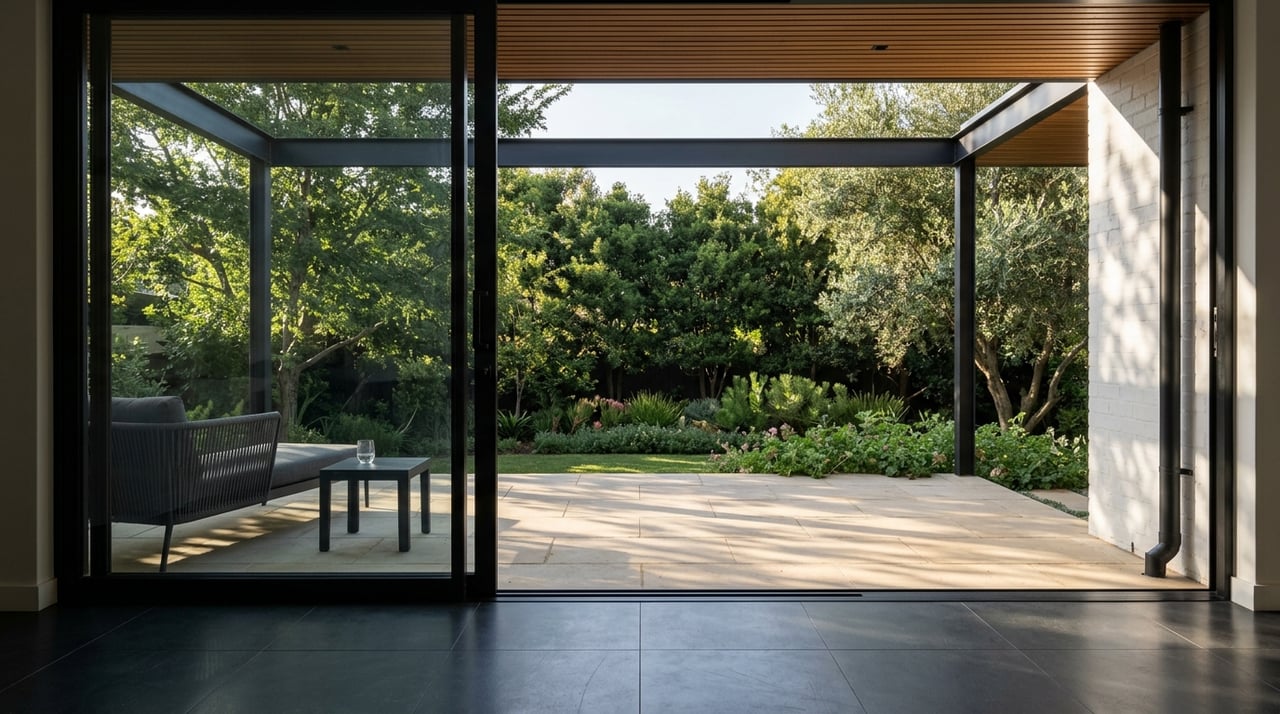
Verandas, recessed glazing, and sheltered terraces should do real work in Tokai. They are not only style features. They help soften wind, reduce direct exposure to rain, and create outdoor living areas that feel usable across more of the year.
Garden rooms and covered transition spaces can also help the home feel generous without pushing the building envelope too aggressively. That is especially valuable on sites where a lower-profile response fits the landscape better.
Build comfort into the plan
A luxury home here should feel controlled and calm when the weather turns. Courtyards, protected patios, and layered thresholds can help create privacy and shelter while still allowing light and views into the house.
This kind of planning often results in interiors that feel quieter and more grounded. Instead of one dramatic gesture, you get a sequence of spaces that reveal the forest gradually and more comfortably.
Keep the massing low and the edges soft
In Tokai, size alone does not define luxury. The City’s planning guidance for the area supports low-density character around edges, with attention to setbacks, fronting, and landscaping. That points toward homes that sit quietly in the landscape rather than dominate it.
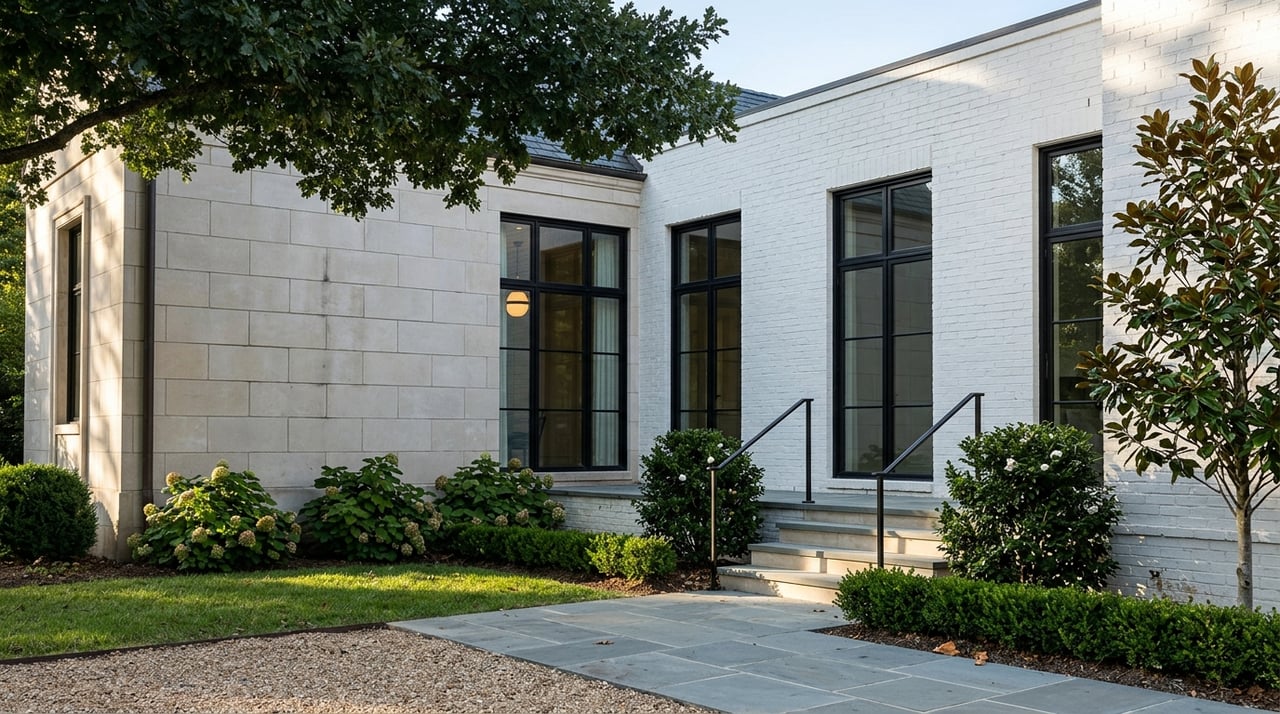
Low-profile massing usually performs better visually and practically on a forest-edge site. It can reduce visual impact, improve privacy, and help the house feel like part of the setting instead of an interruption to it.
Let the street view stay calm
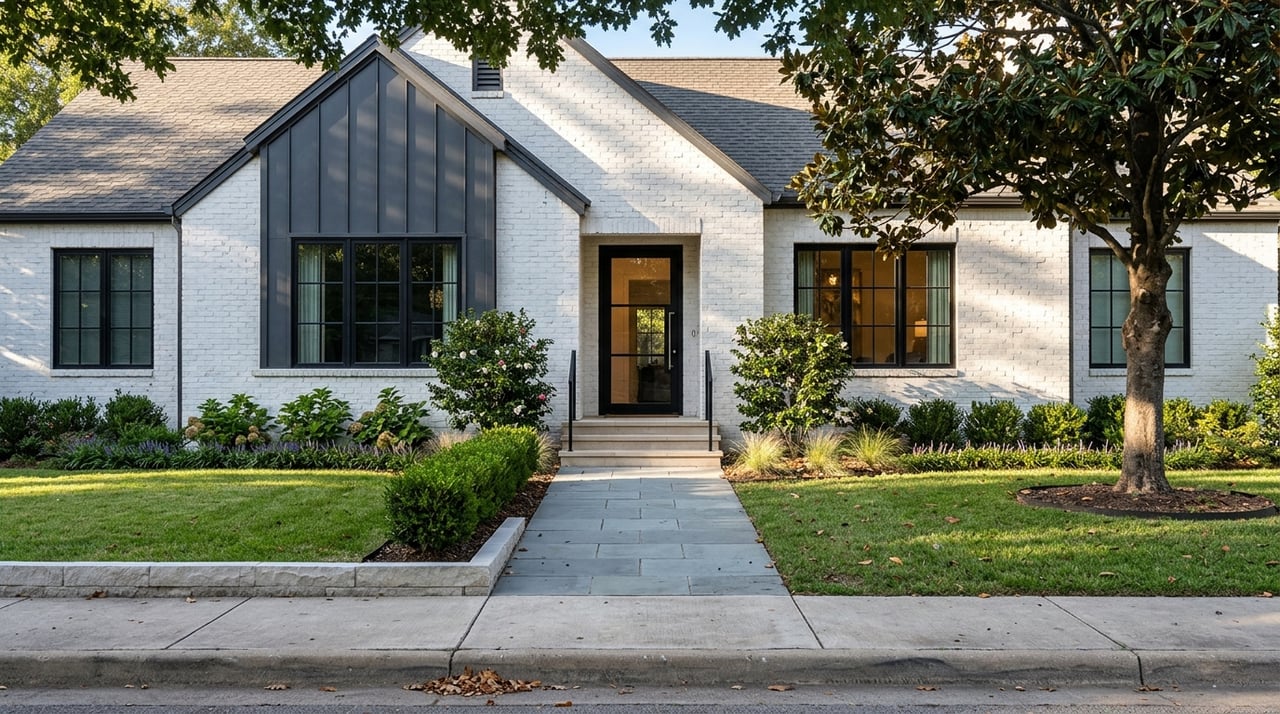
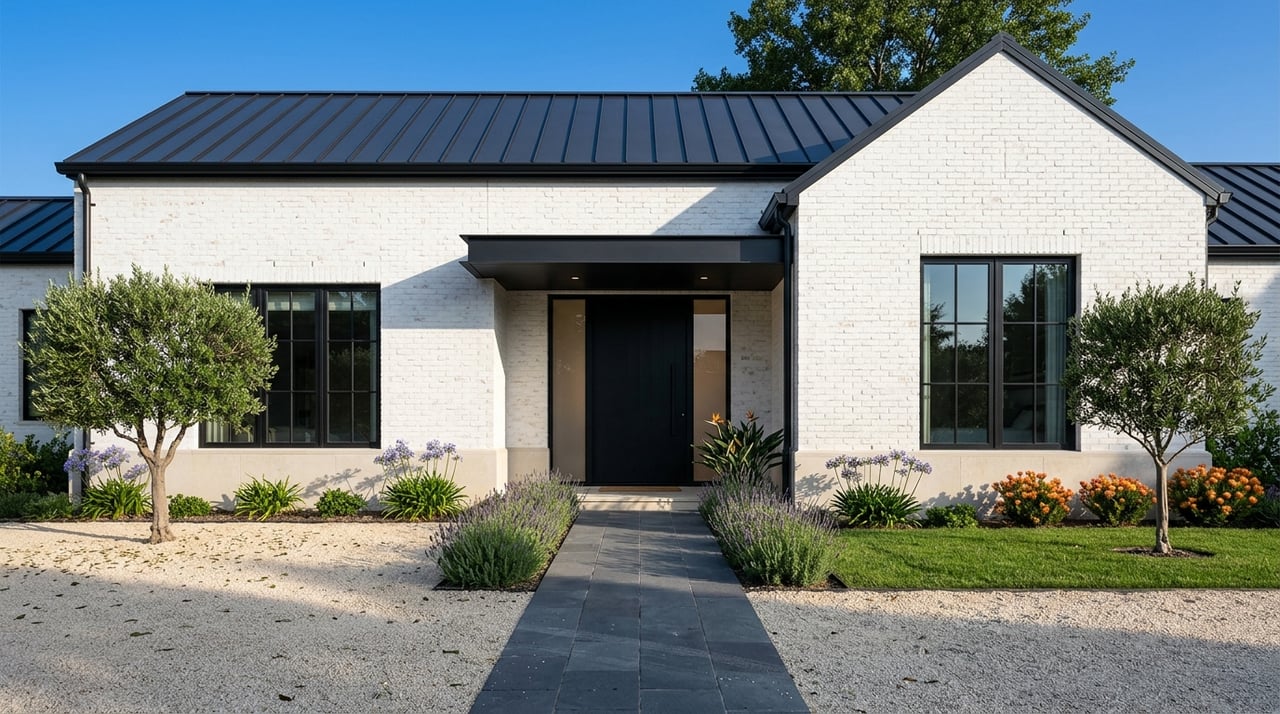
One of the strongest design moves in Tokai is restraint from the public side. A visually calm street presence can preserve privacy while allowing the home to open more fully inward to courtyards, terraces, and gardens.
This approach also aligns with the area’s character. A home can still feel expansive and highly tailored without presenting all of its scale or detail at the boundary.
Landscape is part of the architecture
Tokai’s immediate setting includes a layered mix of cultivated forest, fynbos, and managed tree landscapes. SANParks also notes the area’s sandstone and associated soils, along with relatively flat terrain in parts of the Tokai Arboretum. These conditions make landscape design far more than a finishing step.
In a forest-edge luxury home, planting should support privacy, screening, and daily enjoyment. Just as importantly, it should respond to ecology, water movement, and fire risk.
Plant for beauty and risk management
SANParks identifies alien invasive vegetation as highly flammable and a major management concern in Table Mountain National Park. That makes planting choices especially important near Tokai’s edge conditions.
A refined landscape palette should be read through both an aesthetic and fire lens. Indigenous planting, retention of appropriate existing trees, and thoughtful screening can help your property feel rooted in place while avoiding choices that increase vulnerability.
Use permeable and water-aware surfaces
City guidance supports water-sensitive surfaces and infiltration strategies where appropriate near sensitive environments. In a location where rainfall near the mountains can be significant, hardscape and drainage planning deserve early attention.
Driveways, paths, terraces, and garden grading should be considered together. When stormwater is integrated into the design, you get a property that performs better in winter and ages more gracefully over time.
Fire season must shape the brief
Tokai is part of Table Mountain National Park, and SANParks makes it clear that fire is a normal part of the fynbos system. The high fire season runs from November to May, and prescribed burns in Lower Tokai are used to reduce wildfire risk and support ecological health.
That does not mean forest-edge living is incompatible with luxury. It means luxury here should include preparedness, durable planning, and disciplined outdoor design.
Design with defensible outdoor zones
Outdoor kitchens, braai areas, and storage spaces need careful placement and management. SANParks notes that braaing is often restricted during high-wind or high-fire-risk conditions, which is a useful reminder that these features should be designed with clear boundaries and practical control in mind.
The same principle applies to waste handling, food zones, and circulation. A polished outdoor living experience at the forest edge depends on thoughtful organization, not just attractive finishes.
Privacy is both a design and planning issue
The City’s zoning framework controls development regulations on each property, including rules around coverage, height, building lines, and the placement of openings near boundaries. The scheme can also require screening and assess wind mitigation.
For you, that means privacy should be solved through architecture from day one. It is not just about adding screens later. The strongest homes use orientation, setbacks, landscaping, and internal courtyards to create discretion without sacrificing openness.
Secondary spaces should stay complementary
If your brief includes a guest wing, studio, or second dwelling, it should read as supportive of the main house rather than competing with it. That is consistent with the City’s zoning logic for single-residential properties.
Handled well, these extra spaces can increase flexibility while keeping the overall composition coherent. In a luxury setting, that coherence matters as much as square footage.
Why a design-build approach fits Tokai
A Tokai forest-edge home works best when architecture, approvals, structure, landscape, and stormwater planning are coordinated as one system. This is not the kind of project where isolated decisions usually lead to the best result.
That is where an integrated brokerage and design-build model becomes especially valuable. If you are sourcing land, evaluating an existing property, or planning a bespoke home, continuity across acquisition, design, and delivery helps protect both design intent and long-term value.
What refined Tokai luxury really looks like
In Tokai, luxury is not about overstatement. It is about a home that feels grounded, private, climate-aware, and deeply connected to its site. It respects the green, lower-density character of the area while giving you spaces that feel warm, generous, and quietly exceptional.
The result is often more sophisticated than a purely view-driven concept. It is a home with sheltered terraces, controlled openings, water-aware landscape planning, and a measured relationship to the street and the forest. In this setting, that level of restraint is what makes the architecture feel truly lasting.
If you are considering a bespoke home, restoration, or acquisition in Tokai, the right strategy starts with understanding the land as much as the architecture. For a private consultation or virtual tour, connect with Komare Luxe Realty.
FAQs
What defines a forest-edge luxury home in Tokai?
- A Tokai forest-edge luxury home is designed to balance views, privacy, climate protection, landscape sensitivity, and fire-aware planning rather than focusing on glass and openness alone.
Why does climate matter when designing a Tokai home?
- Tokai’s setting includes strong seasonal winds, dry summers, wetter winters, and higher rainfall near the mountains, so homes need sheltered outdoor spaces, careful orientation, and weather-aware detailing.
How should landscaping be planned for a Tokai property?
- Landscaping should support screening, water management, and fire-risk awareness, with thoughtful planting choices, permeable surfaces, and attention to invasive vegetation concerns.
What planning issues affect residential design in Tokai?
- City regulations can affect height, coverage, setbacks, building lines, privacy, wind mitigation, and the placement of windows or doors near boundaries, so design and approvals should be coordinated early.
Is a low-profile house better for a Tokai site?
- In many cases, yes, because a lower-profile design can reduce visual impact, improve privacy, align with local planning character, and sit more comfortably within the green edge setting.
Why use an integrated design-build team for a Tokai home?
- A coordinated team can align property sourcing, design, approvals, construction, landscape, and delivery, which is especially helpful on complex forest-edge sites where each decision affects the next.